


Why Do Women Experience Menstrual Cramps?

Dysmenorrhea—a painful menstrual condition—is a common phenomenon experienced by many women, significantly affecting their daily life and work. So, why do women experience dysmenorrhea?
Why Do Women Experience Dysmenorrhea?
There are two primary causes of dysmenorrhea in women:
1. No underlying organic gynecological disease is present; instead, the pain arises primarily from elevated prostaglandin levels in the endometrium during menstruation. Increased prostaglandins enhance uterine smooth muscle contractions, leading to uterine ischemia and hypoxia.
2. Organic pelvic pathology—such as endometriosis or adenomyosis—can also cause dysmenorrhea.

Dysmenorrhea is one of the most common gynecological symptoms, characterized by lower abdominal pain and distension before, during, or after menstruation, often accompanied by low back pain or other discomforts. Severe cases can profoundly impair daily functioning and work performance. Dysmenorrhea is broadly classified into two types: primary and secondary. Primary dysmenorrhea refers to menstrual pain occurring in the absence of any organic pelvic pathology and accounts for over 90% of all dysmenorrhea cases. Secondary dysmenorrhea results from identifiable organic pelvic diseases.
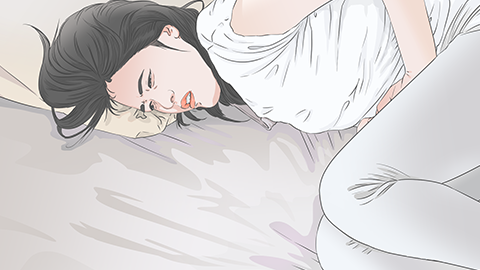
Primary dysmenorrhea commonly occurs during adolescence, typically beginning within 1–2 years following menarche. Pain usually starts just before or at the onset of menses—sometimes as early as 12 hours prior—and peaks on the first day of menstruation, gradually subsiding over 2–3 days. The pain is typically spasmodic and localized to the lower abdomen and suprapubic region, often radiating to the lumbosacral area and inner thighs. Associated symptoms may include nausea, vomiting, diarrhea, dizziness, and fatigue. In severe cases, patients may appear pale and break out in cold sweats. Gynecological examination reveals no abnormalities. These features constitute the clinical presentation of primary dysmenorrhea. We hope this information proves helpful. Wishing you good health and happiness!


