


Why has my menstrual period returned one week after it just ended?

When normal menstruation recurs just one week after ending, it can cause significant distress for women. Many are unsure of the underlying cause. So, what does it mean when menstruation returns only one week after cessation?
Why does menstruation recur just one week after ending?
If bleeding occurs approximately one week after menstruation ends, it is essential to determine whether it is due to ovulation-related spotting. Typically, ovulation occurs about one week after menstrual flow ceases. Occasional light spotting during ovulation is a normal physiological phenomenon. Generally, such ovulatory bleeding is minimal and resolves spontaneously within three to five days, requiring no specific treatment.

When bleeding reappears one week after menstruation has ended, the first consideration should be whether the volume exceeds typical menstrual flow—ovulation-related spotting remains a possible explanation. If ovulatory bleeding is ruled out, oral administration of Gongxuening (a traditional Chinese medicine used for hemostasis) may be considered. Additionally, diagnostic tools—including ultrasound, electronic colposcopy, and hysteroscopy—can help identify the precise source of bleeding. Subsequently, targeted treatment based on examination findings should be initiated to prevent recurrence.
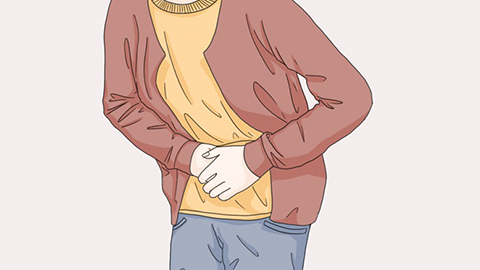
In daily dietary habits, women should prioritize light, easily digestible foods and avoid spicy or greasy items. During menstruation, warm foods are recommended, while raw or cold foods should be avoided. For breakfast, milk and soybean milk are excellent choices, offering substantial health benefits. Foods rich in protein and vitamins are also encouraged. Adequate rest is crucial during menstruation; sexual intercourse should be avoided, and stimulant medications—such as hormonal contraceptives—should be minimized. We hope this information proves helpful. Wishing you optimal health and happiness!


