


Is it easier to get pregnant with a retroverted uterus?

In daily life, some women conceive easily, while others experience delayed conception—this variation is related to individual physical constitution as well as other influencing factors. So, does a retroverted uterus (uterus tilted backward) affect fertility?
Is it easy to get pregnant with a retroverted uterus?
Women with a retroverted uterus generally face greater difficulty conceiving. In this position, the cervix tilts upward, making it easier for semen to pool around—not inside—the cervical canal. Consequently, the likelihood of sperm entering the uterus, traveling through the fallopian tubes, and successfully fertilizing an egg is significantly reduced, thereby lowering the chances of conception. This challenge is especially pronounced in cases where the male partner has low semen volume or poor sperm motility—sometimes even leading to infertility.
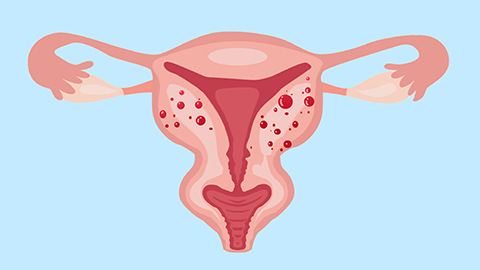
The difference between an anteverted uterus (tilted forward) and a retroverted uterus lies in their anatomical orientation: an anteverted uterus points toward the front of the body and the pelvic inlet—this is considered the normal position. A retroverted uterus, by contrast, tilts toward the sacrum and anus within the pelvic cavity. This orientation is also physiologically normal. Whether the uterus is anteverted or retroverted, both are recognized as normal uterine positions. No specific intervention is required unless accompanied by noticeable symptoms such as lower abdominal pain or sacroiliac discomfort.

Differences in pelvic tissue and ligament tension—particularly following cesarean delivery or prolonged supine positioning after childbirth—can contribute to uterine retroversion. Gravity pulls the enlarged uterus backward during postpartum recovery, potentially causing it to settle into a fixed retroverted position. We hope this explanation proves helpful. Wishing you good health and happiness!


