


What should I do if my child frequently experiences nosebleeds?
Aug 02, 2022
Source: Cainiu Health

Dr. Xie Zixing
Introduction
The primary step in managing a child’s nosebleed is to determine its underlying cause. Generally, when nasal bleeding occurs, prompt pressure should be applied directly to the bleeding site to achieve hemostasis and prevent further epistaxis. Moreover, the most common causes of epistaxis are local nasal factors, such as nasal mucosal dryness, localized inflammation, tumors, or even septal deviation.
Many children experience nosebleeds, but the nasal cavity itself is often dry, and children frequently pick their noses. If this occurs only occasionally, it is generally not a cause for concern; however, if nosebleeds happen frequently, parents must remain vigilant. So, what should be done when a child repeatedly experiences nosebleeds?
What to Do When a Child Has Recurrent Nosebleeds
The primary step in managing recurrent nosebleeds in children is identifying the underlying cause. When a nosebleed occurs, immediate pressure should be applied directly to the bleeding site to stop the bleeding and prevent further hemorrhage from the nasal cavity. Most commonly, nosebleeds originate from local nasal causes—such as dry nasal mucosa, localized inflammation, nasal tumors, or even a deviated nasal septum. These conditions can compress or damage local blood vessels, leading to epistaxis. As an initial measure, local cold compresses may be applied to reduce tissue temperature, thereby aiding hemostasis. It is also essential to evaluate whether systemic disorders exist—particularly abnormalities in platelet function, which can predispose to nosebleeds. Likewise, deficiencies in coagulation factors may result in coagulopathy and subsequent epistaxis. Therefore, treatment strategies must be tailored according to the specific etiology.

Frequent nosebleeds in children may stem from various local or systemic causes, though nasal pathology remains the most common. For instance, allergic rhinitis or chronic nasal mucosal dryness can lead to prolonged dehydration of submucosal blood vessels, rendering the nasal mucosa vulnerable to injury. Mucosal rupture then manifests as epistaxis. A deviated nasal septum may exert pressure on mucosal vessels, resulting in bleeding. Additionally, persistent rhinitis—whether due to bacterial or viral infection—can damage the nasal mucosa and trigger recurrent nosebleeds.
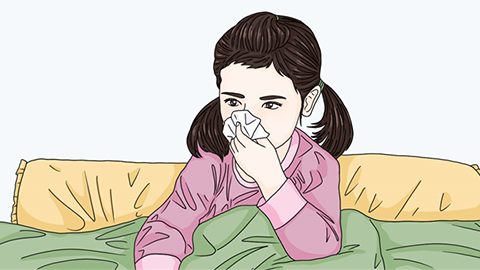
Furthermore, assessment of platelet function and coagulation status is crucial. Thus, if a child experiences frequent nosebleeds, prompt medical evaluation at a hospital is strongly recommended. We hope this information proves helpful.



