


How to relieve severe menstrual cramps

When it comes to dysmenorrhea, many women are all too familiar with it. While most women experience only mild discomfort—such as mild lower abdominal pain—a small proportion suffer from severe dysmenorrhea so intense that they are unable to walk. So, how can one effectively relieve such severe menstrual pain?
How to Relieve Severe Dysmenorrhea
If dysmenorrhea is exceptionally severe, analgesic medications may be required to alleviate the pain—for example, ibuprofen (e.g., Fenbid®), other over-the-counter pain relievers, or aspirin. In some cases, patients even require intramuscular atropine injections administered in a hospital setting. However, pain relief via injection is not a long-term solution; treatment must be tailored to the individual’s specific condition. If diagnostic evaluation reveals pathological dysmenorrhea—such as severe endometriosis—and fertility preservation is not desired, hysterectomy may be the only definitive option, rendering conservative management unnecessary.

The most severe symptom of dysmenorrhea is spasmodic lower abdominal pain, which may trigger nausea and vomiting. In extreme cases, it can even lead to painful shock. Clinically, pain is graded on a scale of ten, with higher numbers indicating greater severity and more profound adverse effects on both physical and mental health. A pain score of 10 represents the most severe form of dysmenorrhea—making it an extremely distressing condition for affected individuals.
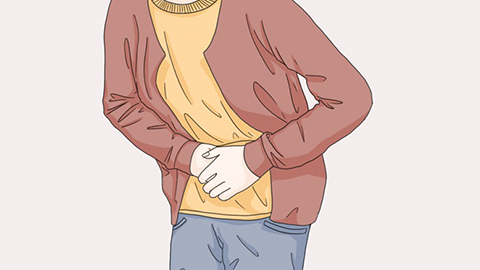
In addition to essential supportive care, women suffering from dysmenorrhea should receive active, targeted treatment. It is strongly recommended to identify the underlying cause and implement appropriate, cause-specific interventions. We hope this information proves helpful. Wishing you good health and happiness!


