


Why do my legs feel sore during menstrual cramps?

During each menstrual cycle, women commonly experience varying degrees of physical symptoms, such as dysmenorrhea (painful menstruation), fatigue, lower back pain, or leg soreness. So why does leg soreness occur alongside dysmenorrhea?
Why Leg Soreness Occurs with Dysmenorrhea
When menstruation begins in women with dysmenorrhea, prostaglandins—hormone-like substances—trigger uterine muscle contractions. These same prostaglandins can also affect other smooth muscles and are highly sensitive in the legs. In women with dysmenorrhea, the endometrium secretes higher-than-normal levels of prostaglandins, which stimulate excessive contraction of uterine smooth muscle, resulting in abdominal pain. Additionally, during menstruation, pelvic congestion may slightly impair venous return from the lower limbs, potentially causing leg discomfort in individuals with heightened sensitivity.
Many women experience lower back soreness and leg weakness during their period. Regular consumption of brown sugar–ginger tea helps promote menstrual blood flow and effectively alleviates menstrual discomfort. Lower back and leg soreness during menstruation are primarily caused by pelvic congestion—a normal physiological phenomenon. Drinking brown sugar–ginger tea regularly may help relieve these symptoms, and comprehensive self-care measures should be adopted during menstruation, including appropriate dietary adjustments.

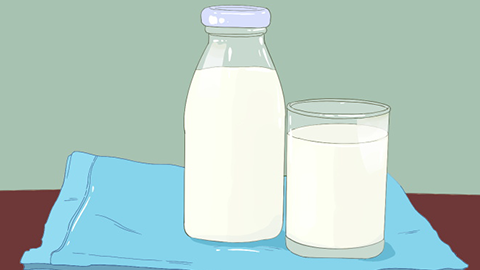
Drinking one cup of warm milk daily can effectively ease these symptoms. Warm milk helps maintain body warmth while replenishing essential trace elements and nutrients. Milk is rich in calcium, and women tend to lose trace elements—including calcium—during menstruation, which may contribute to lower back and leg soreness. Soaking feet in warm water for 15 minutes daily is also recommended, as it can significantly improve menstrual cramps accompanied by leg pain. We hope this information is helpful to you. Wishing you good health and a joyful life!


