


What Is the Difference Between an Anteverted and a Retroverted Uterus During Pregnancy?

The uterus serves as the environment in which the fetus develops. Many pregnant women have heard the terms “pre-pregnancy” and “post-pregnancy.” So, what is the difference between an anteverted (anterior) and a retroverted (posterior) uterus during pregnancy?
What Is the Difference Between an Anteverted and a Retroverted Uterus During Pregnancy?
There are two primary uterine positions: anteverted (anterior) and retroverted (posterior). Generally, an anteverted uterus is considered the normal anatomical position. Although an anteverted uterus carries a slightly higher risk of placenta previa, it is still regarded as more favorable than a retroverted uterus. Conception is statistically more likely with an anteverted uterus, and most women naturally have this orientation. In contrast, a retroverted uterus typically does not interfere with sexual activity but may pose challenges for conception.
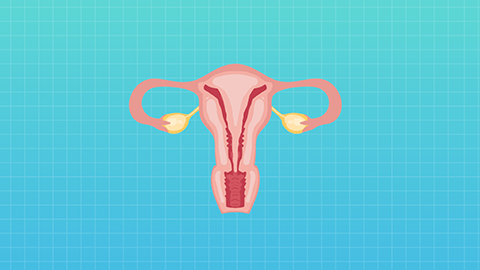
Mild uterine retroversion usually causes no noticeable symptoms and therefore requires no treatment. The most common symptom associated with retroversion is low back pain. Mild cases may involve only dull, aching discomfort in the lumbar region, whereas severe cases can cause intense, debilitating pain extending across the entire lower back, sacrococcygeal area, and even the bilateral iliac regions. Some patients also experience pain and swelling in the lower back and bilateral inguinal areas. Concurrent abdominal aching and rectal pressure are frequently observed, and symptoms often worsen with fatigue or during menstruation. If left uncorrected, chronic retroversion may contribute to dysmenorrhea and menstrual irregularities.

After 3 months of pregnancy, if a retroverted uterus remains uncorrected, acute urinary retention may occur due to compression of the bladder neck and urethra. Additionally, cervical retroflexion may further obstruct the urethra. During early pregnancy, excessive physical activity, overexertion, and vigorous exercise should be avoided. Adequate rest is essential, and women should closely monitor their bodily sensations; prompt medical evaluation is recommended if any abnormalities arise. We hope this information has been helpful. Wishing you good health and happiness!


