


Can patients with gastric ulcers eat glutinous rice porridge?

Modern lifestyles are associated with high stress levels and irregular eating habits, which predispose individuals to gastric disorders—gastric ulcers being particularly common. Gastric ulcers may cause symptoms such as epigastric pain, abdominal distension, acid reflux, and a burning sensation behind the sternum. If you are diagnosed with a gastric ulcer, active treatment and dietary adjustments are essential. So, can patients with gastric ulcers consume glutinous rice porridge?
Can patients with gastric ulcers eat glutinous rice porridge?
Glutinous rice porridge is relatively difficult to digest. Therefore, if you currently have an active gastric ulcer that has not yet fully healed—especially if you are experiencing symptoms such as abdominal pain, melena (black tarry stools), or nausea—it is advisable to avoid consuming it for now and instead opt for easily digestible foods. However, if you are asymptomatic, moderate consumption is generally acceptable. Accordingly, medication should be appropriately adjusted based on ulcer symptoms, and dietary modifications should be implemented to support healing. In daily life, aim to consume light, bland foods; maintain regular meal times; avoid overeating; and refrain from hard or coarse foods. Regular follow-up endoscopies are also recommended to monitor therapeutic response and ulcer healing.
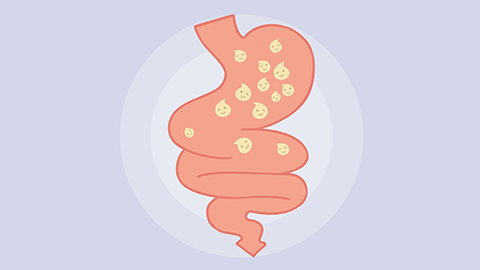
Glutinous rice is poorly absorbed and utilized by the human body. For patients with gastric disorders, its consumption not only increases functional burden on gastrointestinal tissues but also prolongs residence time within the gastrointestinal lumen. This extended retention promotes excessive fermentation by harmful bacteria, generating large amounts of gas—including carbon dioxide, nitrogen, and methane—which may trigger or exacerbate symptoms such as upper abdominal pain, nausea, vomiting, acid reflux, and chest discomfort. In daily dietary management for patients with gastritis, the principles of “light nutrition” and “balanced nutrition” should be strictly followed. When selecting food items, prioritize those rich in vitamins, amino acids, and water-soluble dietary fiber.
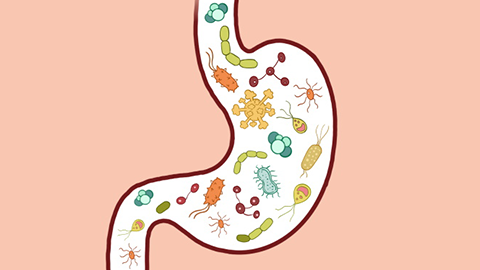
Patients are advised to adopt a rational diet—avoiding spicy and irritating foods—and favoring light, easily digestible meals. We hope this information proves helpful to you.


