


What Causes Papular Urticaria?

Papular urticaria is a dermatological condition requiring prompt treatment. If left untreated, it can lead to more severe skin damage, intense pruritus (itching), and compromise overall skin health. So, what causes papular urticaria?
What Causes Papular Urticaria?
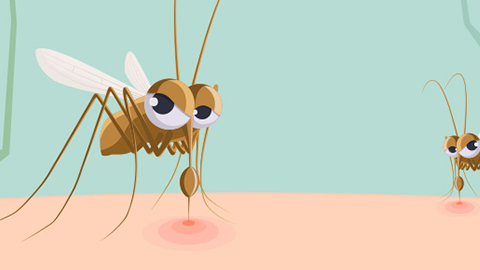
Papular urticaria is most commonly triggered by mosquito bites—especially during summer months, when children’s skin is more exposed and thus more susceptible to bites. These bites provoke an allergic reaction, which may manifest locally at the bite site or systemically throughout the body. Mosquito saliva and other substances introduced during feeding trigger a systemic allergic response. Individuals who have had little or no recent exposure to mosquitoes may develop new rashes resembling rubella—termed “rubella-like papules.” Some lesions may present as vesicles; in infants and young children with delicate skin, reactions can be particularly severe, featuring marked erythema and edema (swelling) at the bite site. In certain cases—especially on the dorsum of the hands—intense swelling may cause significant pain and restrict mobility.
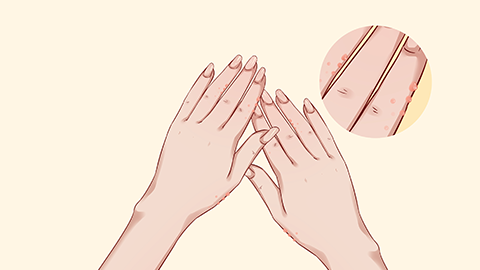
Therefore, mosquito avoidance—particularly in environments where children reside—is essential. Individuals predisposed to this condition may mount a systemic reaction upon mosquito exposure. In more severe cases, oral antihistamines may be prescribed under medical supervision. Topical anti-pruritic and anti-inflammatory agents are typically used for localized management. These medications effectively relieve both itching and pain. However, when swelling is pronounced—due to the acidic nature of mosquito saliva—simple home remedies can help: gently cleansing the area with soap or applying a wet compress soaked in 3% sodium bicarbonate solution often provides rapid relief from edema.
Patients are advised to adopt healthy lifestyle habits and maintain a balanced diet, avoiding spicy and irritating foods. We hope this information proves helpful.


