


Why do I experience dry heaving upon waking up in the morning?

Frequent morning dry heaving can damage the gastrointestinal tract and esophagus, causing physical harm and negatively affecting mood to some extent. In such cases, identifying the underlying cause of morning dry heaving is essential to enable timely and effective treatment. So, why does dry heaving occur upon waking?
Why Does Dry Heaving Occur Upon Waking?
Morning dry heaving and nausea may stem from chronic pharyngitis. Chronic pharyngitis typically develops when acute pharyngitis is inadequately treated and recurs repeatedly, or results from persistent irritation of the pharynx due to various nasal disorders (e.g., nasal obstruction), habitual mouth breathing, physical or chemical irritants, or neck radiotherapy/chemotherapy. Additionally, systemic chronic conditions—such as anemia, constipation, chronic lower respiratory tract inflammation, and cardiovascular disease—may also contribute to or secondarily trigger chronic pharyngitis.
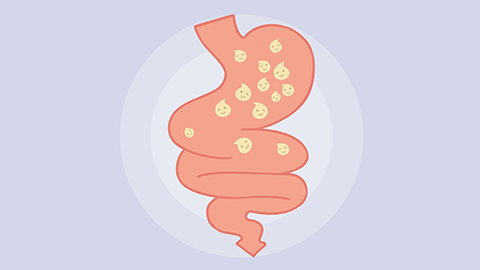
Nausea and dry heaving upon waking may arise from either physiological factors or certain medical conditions. For instance, women of childbearing age often experience morning nausea and dry heaving, commonly associated with pregnancy. During early pregnancy, hormonal fluctuations—particularly rising levels of human chorionic gonadotropin (hCG) and estrogen—can trigger typical pregnancy symptoms, including fatigue, drowsiness, nausea, and dry heaving. Typically, these symptoms gradually subside around the third month of gestation and usually require no specific treatment.

Patients are advised to avoid spicy and irritating foods and maintain a balanced, healthy diet. We hope this article has been helpful to you.


