


What Causes Dry Heaving in Toddlers?

Young children frequently experience various urgent conditions, such as dry heaving—most commonly caused by improper feeding posture. It may also result from excessive anxiety during feeding, which impairs digestion. However, many mothers are first-time parents and lack sufficient understanding of dry heaving in infants. So, what exactly causes dry heaving in young children?
What Causes Dry Heaving in Young Children?
Infants’ digestive systems are still immature, their gut microbiota unstable, and their gastrointestinal tracts highly delicate. Even minor daily missteps—such as inappropriate feeding practices—can easily lead to indigestion and subsequent dry heaving. In such cases, it is essential to identify strategies to improve the infant’s intestinal health and ensure appropriate, balanced daily nutrition. Additionally, certain gastrointestinal disorders—such as gastritis or enteritis—may also trigger nausea and dry heaving, primarily due to local irritation causing reflexive vomiting.

Improper feeding or dietary habits constitute one of the most common causes of dry heaving in infants. For instance, many inexperienced mothers—fearing their baby may go hungry—overfeed with milk. This can cause significant discomfort and even provoke dry heaving. During the drier autumn and winter months, insufficient water intake may lead to throat dryness in infants, predisposing them to dry heaving; offering small amounts of warm water regularly usually resolves this issue.
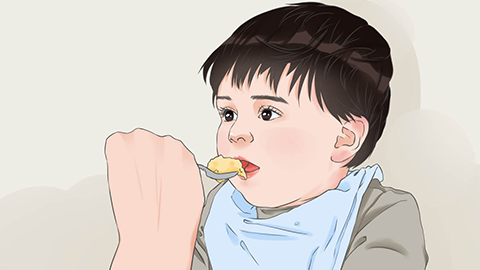
It is recommended that affected infants maintain healthy eating habits and consume a well-balanced diet, avoiding spicy or otherwise irritating foods. We hope this article proves helpful to you.


