


What to Do When Angina Occurs
Aug 03, 2022
Source: Cainiu Health

Dr. Li Man
Introduction
During an angina attack, the patient must rest immediately. Once symptoms subside, prompt hospitalization for oxygen therapy is recommended; most patients with angina experience symptom relief following rest and supplemental oxygen. Patients with severe angina are typically treated with nitrates, which alleviate angina symptoms by dilating the coronary arteries and systemic vasculature, reducing preload and afterload, and decreasing myocardial oxygen demand.
Patients with angina pectoris may experience a variety of symptoms, including chest tightness, shortness of breath, palpitations, coughing, and irritability. Most cases of angina are caused by coronary artery disease (CAD). Triggers include physical exertion, intense exercise, significant emotional fluctuations, careless eating habits, and exposure to excessively low temperatures. So, what should one do when an angina attack occurs?
What to Do During an Angina Attack
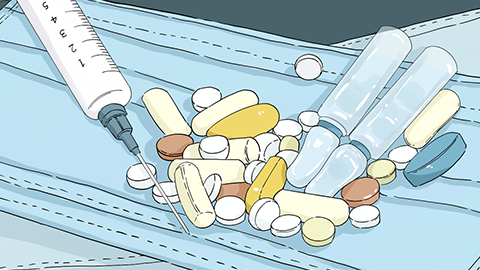
When angina strikes, immediate rest is essential. Once symptoms subside, prompt medical attention—including oxygen therapy at a hospital—is recommended. Most patients experience relief after resting and receiving supplemental oxygen. For severe angina, nitrates are commonly prescribed; these medications alleviate symptoms by dilating the coronary arteries and systemic blood vessels, reducing both preload and myocardial oxygen demand. Common anti-anginal drugs include nitroglycerin and isosorbide dinitrate—though their duration of action is relatively short. Therefore, if angina occurs, it is critical to seek timely medical evaluation to identify the underlying cause and initiate appropriate treatment. Patients should always carry emergency medications such as nitroglycerin or rapid-acting cardiovascular pills (e.g., Su Xiao Jiu Xin Wan).

In most cases, angina results from coronary artery narrowing due to various causes, leading to an imbalance between myocardial oxygen supply and demand. It is often triggered by fatigue or emotional stress, so adequate rest is crucial. Symptoms typically ease within 3–5 minutes after taking emergency medication and usually last 15–20 minutes. Thus, for patients experiencing angina, the first step is to rest immediately—avoiding continued physical activity or emotional stress—and take medications such as nitroglycerin or rapid-acting cardiovascular pills. If angina recurs frequently, intensifies in severity, lasts longer than usual, or occurs without clear triggers, urgent medical evaluation is necessary to prevent life-threatening complications.
Patients are advised to maintain regular rest, avoid fatigue, and follow a balanced diet. Consume nutrient-rich, easily digestible foods low in residue and non-irritating to the gastrointestinal tract; drink plenty of water; avoid alcohol; and refrain from consuming seafood such as shrimp and crab. We hope this information proves helpful.


