


Can henna treat onychomycosis (fungal nail infection)?
Aug 03, 2022
Source: Cainiu Health

Dr. Liu Wan
Introduction
Henna cannot cure onychomycosis (gray nail). Henna is a traditional folk dye derived from the flowers of certain plant species and has no antifungal activity against the pathogens causing onychomycosis. Treatment of onychomycosis typically involves pharmacotherapy. Commonly used medications include itraconazole, terbinafine, and griseofulvin. Standardized, course-based drug regimens yield better therapeutic outcomes. For example, itraconazole is conventionally administered in cycles: treatment is followed by a 3-week drug-free interval, constituting one complete treatment course.
The scientific name of the “nail flower” is *Impatiens balsamina*. In daily life, it is commonly used to dye fingernails and toenails, enhancing their aesthetic appearance. Additionally, *Impatiens balsamina* exhibits relatively strong antifungal properties, leading many people to use it for treating onychomycosis (commonly known as “ringworm of the nail” or “gray nail”). But can *Impatiens balsamina* truly treat onychomycosis?
Can *Impatiens balsamina* treat onychomycosis?
No, *Impatiens balsamina* cannot treat onychomycosis. It is a traditionally used natural dye in folk medicine—primarily valued for its coloring properties—but possesses no efficacy against the fungi responsible for onychomycosis. Standard treatment for onychomycosis relies on pharmacotherapy. Commonly prescribed systemic antifungal agents include itraconazole, terbinafine, and griseofulvin. When administered according to standardized, multi-cycle regimens, these medications yield favorable clinical outcomes.
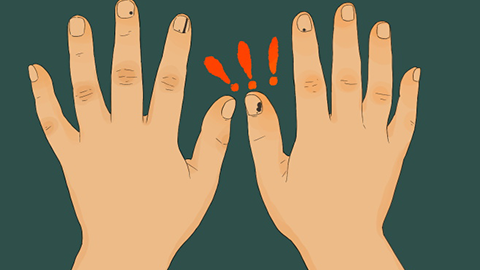
Taking itraconazole as an example, the standard regimen involves administering the drug for one week followed by a three-week drug-free interval—a single treatment cycle. Two to three such cycles may be repeated consecutively. Clinical efficacy is indicated when newly grown nail plates appear healthy and normal. Regular follow-up is essential during and after treatment. Topical antifungal agents are also widely used, including terbinafine cream, sertaconazole cream, luliconazole cream, and compound benzoic acid tincture. Prior to topical application, gently scraping the nail surface with a sterile blade helps enhance drug penetration.
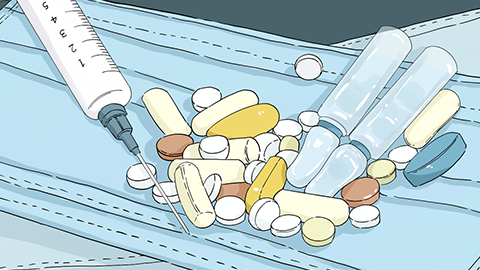
Moreover, fractional laser therapy can induce localized photothermal and electrotropic stimulation, resulting in thinning of the superficial nail plate and thereby facilitating deeper penetration and enhanced efficacy of topical antifungals. We hope this information proves helpful to you!





