


Symptoms of Low Blood Pressure

Hypotension—blood pressure that is lower than normal—is a relatively common condition in daily life. It is often associated with poor dietary habits or marked physical debility. If left unaddressed, it can significantly impact overall health. So, what are the symptoms of hypotension?
Symptoms of Hypotension
The primary symptoms of hypotension include generalized weakness and fatigue. These symptoms are particularly noticeable when the patient is at rest—especially upon waking in the morning—often manifesting as lethargy and profound physical exhaustion. Symptoms may improve somewhat after a midday nap, yet fatigue may reappear in the late afternoon.
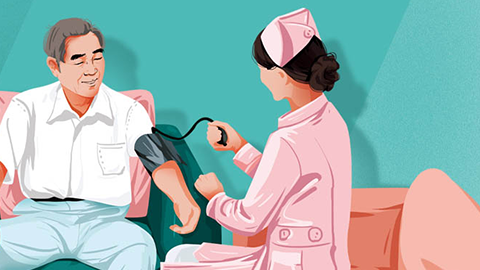
Secondly, patients frequently experience headache and dizziness. Among individuals with hypotension, headache is the most prominent symptom—typically triggered by intense mental or physical exertion. The severity of headache varies depending on disease severity and commonly presents as either a dull, persistent pain at the occipital region or a severe, pulsating headache. Dizziness is also common: mild cases may involve transient visual darkening (e.g., “blackout” or “graying out” of vision), while more severe cases may progress to lightheadedness or even syncope. These headaches and episodes of dizziness primarily result from inadequate cerebral perfusion secondary to low blood pressure.
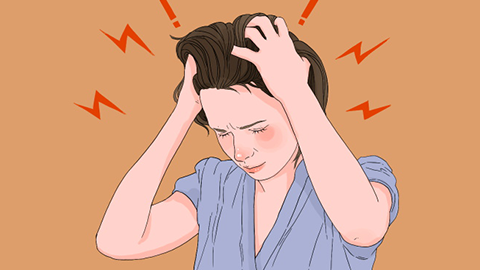
Additionally, neurological dysfunction may occur. Key manifestations include impaired memory, disrupted sleep patterns (e.g., insomnia), excessive sweating, pallor, episodes of chills and flushing, paresthesia (e.g., “crawling” sensations over the skin), and numbness or tingling in the extremities. We hope this information proves helpful!


