


What Causes Insomnia During Menstruation?

During menstruation, some women experience varying degrees of insomnia. This is often attributable to stressors arising from daily life, work-related pressures, and academic challenges. Therefore, it is essential to understand the underlying causes of menstrual insomnia so that preventive measures can be taken to avoid or alleviate this condition. So, what exactly is menstrual insomnia?
What Is Menstrual Insomnia?
Firstly, insomnia during menstruation is a relatively common and entirely normal phenomenon among women. This occurs primarily because estrogen and other female sex hormones drop sharply during this phase, leading to a noticeable decline in overall physical resilience compared to non-menstrual periods. During this time, women should adopt appropriate strategies to regulate their bodies and promote rapid improvement of insomnia symptoms. Secondly, cultivating healthy, practical lifestyle habits during menstruation is crucial for effectively managing this issue.
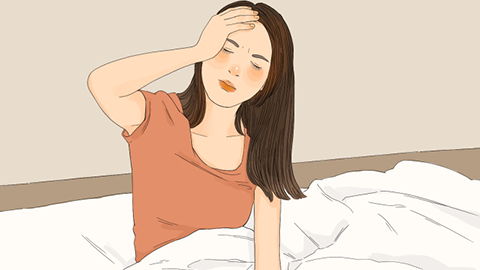
Menstrual insomnia is primarily triggered by fluctuations in endogenous estrogen levels, which stimulate the brain’s central nervous system, placing it in a state of heightened excitability—thereby predisposing individuals to insomnia. Concurrently, hormonal shifts during menstruation cause pelvic congestion and edema, frequently resulting in lower abdominal distension and pain. Such discomfort can negatively affect mood and subsequently disrupt normal sleep patterns. Moreover, women with heavy menstrual flow may fear nocturnal leakage onto bedding, further compromising sleep quality. Similarly, those experiencing dysmenorrhea (painful menstruation) may find abdominal pain significantly interfering with restful sleep.

We recommend maintaining a positive emotional state in daily life and drinking a glass of warm milk before bedtime to help improve sleep quality. We hope this information proves helpful to you.


