


Can pregnant women experience low blood pressure?

Many people experience hypotension (low blood pressure). Its incidence varies depending on individual physical conditions, but it is primarily caused by hypotension itself—making it a common health concern for numerous individuals in modern society. So, can pregnant women develop hypotension?
Can pregnant women develop hypotension?
Hypotension may occur during pregnancy. In slender women who already experienced low blood pressure prior to conception, symptoms such as nausea, vomiting, and loss of appetite may appear early in pregnancy. This is because early-pregnancy symptoms (morning sickness) can exacerbate preexisting hypotension. During the second trimester, blood pressure typically rises along with the increase in maternal blood volume. In the third trimester, however, lying supine may trigger hypotension due to compression from the enlarged fetus and uterus, as well as potential dysregulation of fluid balance, the nervous system, and the endocrine system. Even minor bleeding during pregnancy can lead to shock in women with hypotension; therefore, managing hypotension during pregnancy is essential—and medication should be used only under medical supervision when necessary.
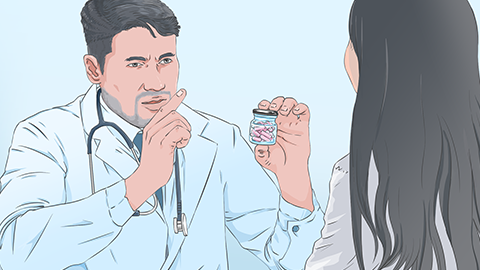
Pregnant women are particularly susceptible to hypotension, which commonly causes dizziness. Anemia is a frequent underlying cause of hypotension in pregnancy; thus, it is advisable to visit a hospital for a complete blood count (CBC) to assess for anemia. If anemia is diagnosed, prompt treatment is recommended—including dietary supplementation with iron-rich foods to effectively replenish iron stores. Correcting anemia, staying well-hydrated, engaging in daily moderate exercise to increase blood volume, and consuming slightly more salt may collectively help improve blood pressure and alleviate associated symptoms such as dizziness, excessive sleepiness, and fatigue.
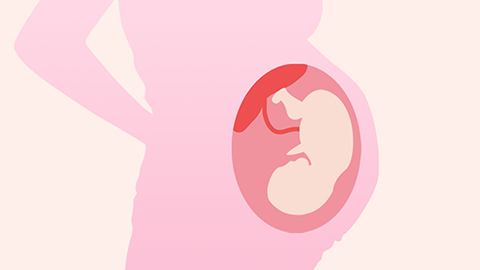
Pregnant women should avoid staying up late, sleeping insufficiently, eating late at night, or consuming excessively greasy meals. Additionally, they should refrain from drinking strong tea or coffee and avoid smoking before bedtime—ensuring adequate, restful sleep instead. We hope this information proves helpful to you.


