


How to Regulate Spleen Deficiency with Damp-Heat in Women

Spleen deficiency with damp-heat is a common condition in modern daily life. Affected individuals often experience indigestion, and in severe cases, loss of appetite and vomiting may occur. So, how can women with spleen deficiency and damp-heat be effectively managed?
Management Strategies for Women with Spleen Deficiency and Damp-Heat
Women presenting with qi deficiency, spleen deficiency, and excessive dampness are typically influenced by factors such as constitutional (congenital) qi deficiency, improper diet, overeating or irregular eating habits, and insufficient physical activity. Clinically, symptoms may include reduced food intake, abdominal distension, fatigue, shortness of breath, loose stools, soreness and heaviness in the limbs, sticky or greasy sensation in the mouth, edema in the lower extremities, damp-type skin rashes (e.g., eczema), and a sensation of downward prolapse. Management options include dietary therapy, regular exercise, moxibustion, and herbal medicine. Women may consider taking traditional Chinese herbal formulas that tonify qi, strengthen the spleen, and resolve dampness to address underlying spleen deficiency and damp accumulation. Commonly used patent medicines include Shen Ling Bai Zhu San (Ginseng and Polyporus Powder) and Xiang Sha Yang Wei Wan (Costus Root and Amomum Pill for Spleen and Stomach). Patients are advised to consult a qualified TCM practitioner to determine the most appropriate formula and dosage based on their individual constitution and clinical presentation. Moxibustion helps warm the meridians, unblock collaterals, strengthen the spleen, and promote dampness elimination—making it particularly beneficial for women with qi and spleen deficiency accompanied by pronounced dampness.
Certain foods known for their spleen-strengthening and damp-resolving properties can be incorporated into the daily diet in moderation. These include Chinese yam (Dioscorea opposita), hyacinth bean (Lablab purpureus), adzuki beans (Vigna angularis), coix seed (Coix lacryma-jobi), winter melon (Benincasa hispida), sorghum paste, and beef. While dietary therapy tends to produce relatively gradual effects, consistent long-term adherence is recommended—especially for mild cases. If symptoms persist or worsen, herbal medicine under professional guidance should be considered. Additionally, patients should avoid spicy, stimulating, and greasy foods, and refrain from overeating or binge eating. Regular physical activity promotes smooth circulation of qi and blood, enhances overall constitution, strengthens the spleen and stomach, and aids dampness resolution—thereby improving the condition of women with qi deficiency, spleen deficiency, and internal dampness. Moderate aerobic exercises—such as hiking, swimming, or brisk walking—are especially suitable.
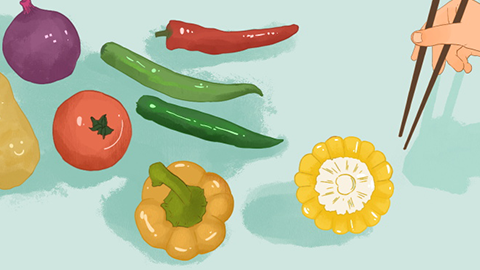
Patients are advised to maintain a light, bland diet; avoid spicy and irritating foods; abstain from smoking and alcohol; adhere to regular sleep-wake cycles; and avoid staying up late. We hope this information proves helpful.


