


What should I do if my diastolic blood pressure is high?

Managing both high systolic and high diastolic blood pressure presents a clinical challenge. Taking antihypertensive medications when systolic pressure is elevated carries an increased risk of falls. Conversely, once diastolic pressure rises, it can be difficult to lower effectively with medication. So, what should one do when experiencing high diastolic pressure alongside hypertension?
What to Do When Diastolic Pressure Is Elevated in Hypertension
Elevated diastolic pressure in the context of hypertension requires oral antihypertensive therapy and may also benefit from dietary adjustments. Abnormal blood pressure patterns—particularly elevated diastolic pressure—may stem from irregular eating habits or, in some cases, obesity. Targeted treatment should be initiated promptly. If diastolic pressure remains significantly elevated, antihypertensive medications—such as nifedipine or irbesartan—should be taken orally under medical supervision. These drugs help reduce intravascular pressure, prevent sustained blood pressure elevation, and mitigate potential complications affecting vital organs such as the heart, brain, and kidneys.
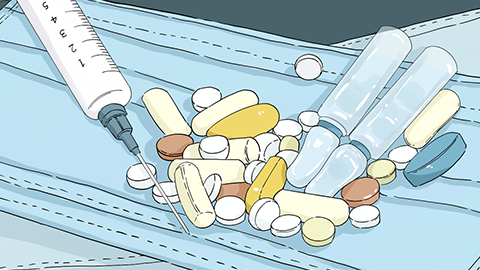
If hypertension is mild, lifestyle and dietary modifications may suffice for improvement—for instance, reducing intake of fried and greasy foods. Maintaining emotional stability and a positive mental state is essential; avoiding high-calorie, high-fat foods is equally important. Regular physical activity helps strengthen overall health and prevents obesity-related hypertension. Adhering strictly to prescribed medication regimens—as advised by a physician—is critical for timely and effective disease control.

Patients are advised to follow a light, low-sodium diet, avoid spicy and irritating foods, quit smoking and alcohol, maintain regular sleep-wake cycles, and refrain from staying up late. We hope this information proves helpful.


