


Do you need to avoid certain foods when you have tonsillitis?

During tonsillitis, both swallowing and speaking can be affected. The symptoms of tonsillitis can cause significant discomfort to patients. To promote the patient’s overall health and facilitate prompt recovery of the tonsils, attention should be paid to dietary restrictions—specifically avoiding certain foods—which can help alleviate symptoms to some extent. So, is dietary restriction necessary during tonsillitis?
Is dietary restriction necessary during tonsillitis?
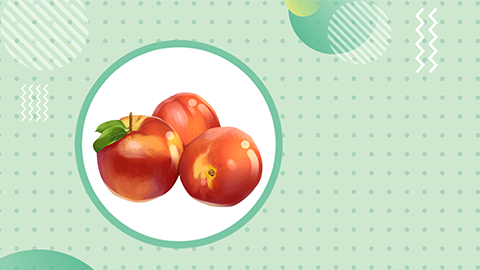
Yes, dietary restrictions are generally recommended for tonsillitis. Patients should avoid spicy, irritating, and hard-to-digest foods, as well as sunflower seeds or puffed snacks. Additionally, ginger and pepper should be avoided. Instead, the diet should be light, easily digestible, and nutritionally balanced. Moderately consuming pears (especially Ya pear) or loquat may be beneficial, as both have soothing, phlegm-resolving, and heat-clearing effects on the throat. Tonsillar inflammation often leads to swelling and pain, particularly manifesting as dysphagia and pain during meals. Prompt use of anti-inflammatory and anti-infective medications—under medical supervision—is essential.
In addition to symptomatic and supportive treatment for children with tonsillitis, identifying the underlying cause is crucial—and treatment should be tailored accordingly. For cases caused by viral infection, antiviral therapy may be appropriate; whereas bacterial infections warrant targeted antibiotic therapy based on sensitivity testing. Concurrently, throat-soothing and throat-nourishing medications may help relieve clinical symptoms in children.
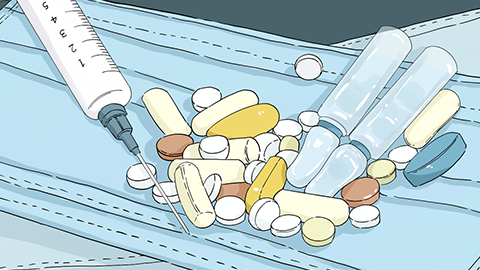
During treatment, body temperature should be monitored regularly. In severe cases, intravenous administration may be required to optimize therapeutic outcomes. We hope this information is helpful to you.


