


What causes colicky pain in the upper abdomen during menstruation?

Many women report experiencing pronounced colicky pain in the upper abdomen during menstruation, which—when severe—can significantly interfere with daily life and work. What causes upper abdominal colic during menstruation?
What Causes Upper Abdominal Colic During Menstruation?
Abdominal colic occurring during menstruation is primarily due to uterine spasms triggered by menstruation, manifesting as paroxysmal, cramp-like discomfort. Treatment is mainly symptomatic, utilizing antispasmodic medications to alleviate symptoms. However, women presenting with abdominal pain must undergo differential diagnosis to rule out other potential underlying causes. Lower abdominal pain, for instance, may stem from various gastrointestinal disorders—including intestinal obstruction and gastrointestinal malignancies.
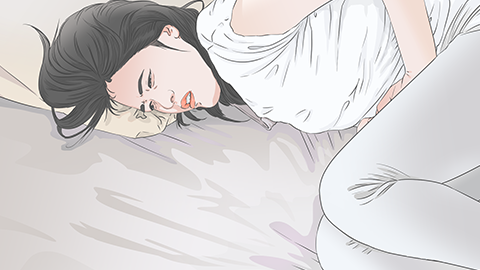
A mild elevation in CA125 levels may clinically suggest endometriosis; appropriate pharmacological therapy is therefore recommended. Additionally, urological conditions—including ureteral stones, bladder stones, and urinary tract infections—may also cause pain in this region. Consequently, when abdominal pain occurs, comprehensive diagnostic evaluations—including CT imaging and color Doppler ultrasound—should be performed to identify the precise etiology and guide targeted treatment for optimal outcomes.
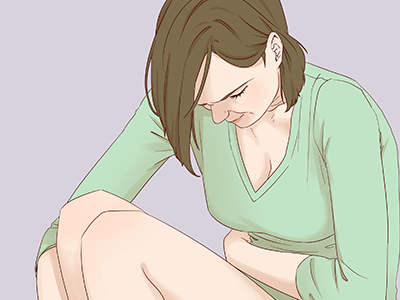
During menstruation, maintaining warmth is essential; avoid exposure to cold, chilling foods, raw or cold items, and other cold stimuli to prevent invasion by cold pathogens. Ensure adequate rest, minimize fatigue, maintain balanced nutrition, and strengthen overall physical health. Strive to moderate intense emotional fluctuations and avoid strong psychological stressors—cultivating a calm and positive mood is beneficial. To prevent overexertion, sexual intercourse should be strictly avoided during menstruation. We hope this information proves helpful to you!


