


Do Nabothian cysts of the cervix require treatment?

During a routine workplace health examination, I was diagnosed with Nabothian cysts on my cervix. I am concerned that these may affect my future fertility. Do cervical Nabothian cysts require treatment?
Do cervical Nabothian cysts require treatment?
Simple cervical cysts may or may not require treatment. Inflammation of the cervical surface can obstruct the cervical glandular ducts, preventing drainage of secretions and leading to the formation of Nabothian cysts on the cervical surface. If a cyst is particularly large and palpable on the cervical surface, it may be treated. Following standard cervical disinfection, a fine needle may be inserted into the surface of a small cyst to puncture it and drain its contents; subsequent symptomatic pharmacological treatment is usually sufficient. Cervical cysts—also known as cervical glandular cysts—are commonly benign physiological changes.
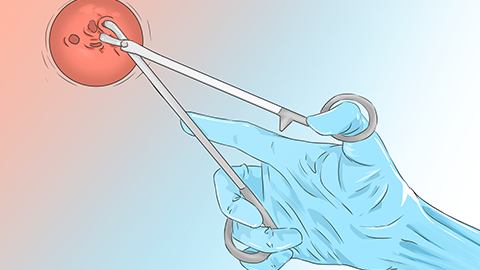
Nabothian cysts form during the process of squamous epithelial replacement of columnar epithelium in the cervical transformation zone: newly formed squamous epithelium covers or extends into the openings of cervical glandular ducts, causing ductal obstruction and impairing drainage of glandular secretions, resulting in fluid retention and cyst formation. Additionally, local cervical trauma or chronic cervical inflammation leading to narrowing of glandular duct openings may also contribute to the development of cervical glandular cysts.
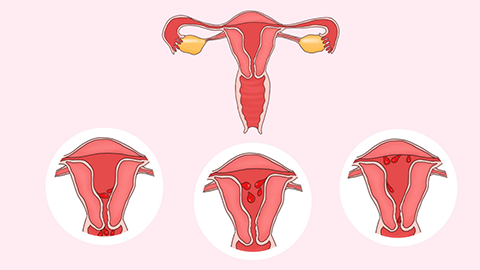
Cervical glandular cysts generally do not require specific intervention. However, cervical cytology (Pap smear) and HPV testing should be performed. If indicated, colposcopy and cervical biopsy may be necessary to rule out cervical intraepithelial neoplasia (CIN) or early-stage cervical cancer. Deep-seated cervical glandular cysts may not present visible abnormalities on the cervical surface but instead manifest as cervical enlargement; in such cases, differentiation from cervical adenocarcinoma is essential. We hope this information is helpful to you!


