


Nine Major Symptoms of Cervical Spondylosis
Aug 04, 2022
Source: Cainiu Health

Dr. Lin Yunfei
Introduction
Cervical spondylosis is classified into four types: cervical spondylosis with radicular pain, myelopathic cervical spondylosis, sympathetic-type cervical spondylosis, and vertebral artery-type cervical spondylosis. The primary symptoms include:
First, neck pain and numbness in the hands and feet.
Second, increased muscle tone and difficulty grasping or holding objects—the most common cause of this symptom is myelopathic cervical spondylosis.
Third, restricted range of motion in the neck.
Fourth, muscle atrophy.
In modern society, many people suffer from cervical spondylosis—a condition resulting from lifestyle changes, particularly prolonged forward head posture that causes cumulative strain and damage to the cervical spine. Cervical spondylosis may lead to intervertebral disc herniation and other pathological changes; depending on the specific neural structures affected, symptoms vary widely. So, what are the types of cervical spondylosis?
Types of Cervical Spondylosis
Cervical spondylosis is classified into five main types: radicular (nerve root) type, myelopathic (spinal cord) type, sympathetic type, vertebral artery type, and mixed type. The primary associated symptoms include:
First, neck pain and numbness or tingling in the hands and feet—most commonly seen in radicular-type cervical spondylosis.
Second, increased muscle tone and impaired hand dexterity (e.g., difficulty grasping or holding objects); this is most frequently caused by myelopathic-type cervical spondylosis.
Third, restricted range of motion in the neck.
Fourth, muscle atrophy—most commonly affecting the upper limbs and typically observed in radicular-type cervical spondylosis.
Fifth, headache and dizziness—characteristic of vertebral artery-type cervical spondylosis.
Sixth, blurred vision and decreased visual acuity.
Seventh, unexplained falls or loss of balance.
Eighth, palpitations or tachycardia.
Ninth, excessive sweating.
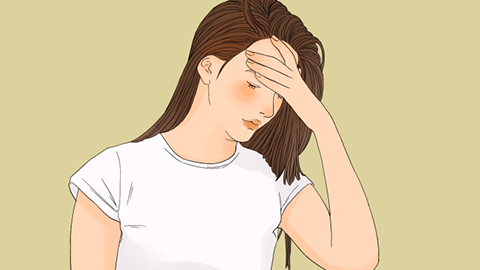
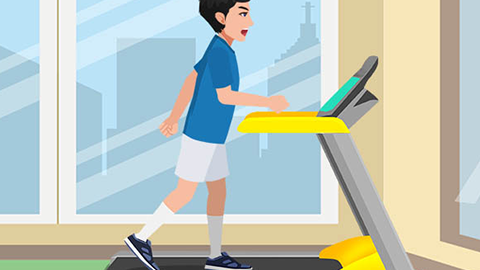
Maintain proper posture: keep your neck aligned and your spine upright. After maintaining a static posture for an extended period, stand up and perform simple stretching exercises. Prolonged forward head posture places continuous strain on the neck muscles, and long-term desk work significantly increases the risk of developing cervical spondylosis. To prevent this condition, periodically change your posture and perform gentle exercises after periods of sustained neck flexion. If feasible, swimming is highly recommended—it helps maintain flexibility and strength in the cervical spine, neck, shoulders, and hips. Regular neck-specific exercises improve local blood circulation and help prevent muscle strain and fibrosis. Frequently move your neck to correct muscular imbalances; shoulder shrugs, chin tucks, and gentle neck extensions are especially beneficial for relieving pressure on the cervical spine.
If you suspect cervical spondylosis, seek prompt medical evaluation to confirm the diagnosis and determine the specific subtype—this enables targeted, effective treatment. We hope this information proves helpful to you.





