


Symptoms of Fungal Sinusitis
Aug 04, 2022
Source: Cainiu Health

Dr. Xu Gang
Introduction
The clinical symptoms of fungal sinusitis primarily include nasal congestion and yellow, purulent nasal discharge. Occasionally, patients may produce cheese-like crusts within the nasal cavity, accompanied by a distinctive foul odor. The nasal discharge may appear green or yellowish-brown, and patients may experience some degree of olfactory impairment. Most patients have underlying conditions such as diabetes mellitus or certain immunocompromising disorders.
Fungal sinusitis is a relatively common condition that can significantly impair quality of life. However, its symptoms are often nonspecific and difficult to distinguish from those of other types of sinusitis. So, what are the symptoms of fungal sinusitis?
Symptoms of Fungal Sinusitis
Clinically, patients with fungal sinusitis commonly present with nasal congestion and yellow, purulent nasal discharge. Occasionally, thick, cheese-like crusts may form within the nasal cavity, accompanied by a distinctive foul odor. The nasal discharge may appear green or yellowish-brown, and patients may experience some degree of olfactory impairment. Most affected individuals have underlying conditions such as diabetes mellitus or immunosuppressive disorders. When these underlying diseases worsen, the symptoms of fungal sinusitis typically intensify as well. Patients are advised to seek prompt medical evaluation, including sinus computed tomography (CT) scanning. CT imaging typically reveals high-density mass-like opacities within the sinuses. Surgical intervention—when indicated—is generally effective in markedly alleviating these symptoms.
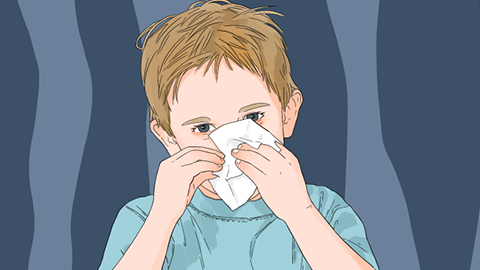
Causes of fungal sinusitis include: First, Aspergillus species (e.g., Aspergillus flavus). Second, environmental factors. Third, systemic predisposing conditions. Fourth, anatomical abnormalities such as nasal septal deviation and congenital nasal cavity anomalies. Common causative fungi include Candida, Exophiala, Mucor, and Aspergillus species—all opportunistic pathogens. Second, environmental factors—including climate and living conditions. The incidence tends to be higher in warm, humid climates. Third, systemic factors—such as diabetes mellitus, prolonged corticosteroid use, antineoplastic therapy, or long-term antibiotic administration. Fourth, structural nasal abnormalities—including nasal polyposis, nasal septal deviation, and developmental anomalies of the nasal cavity.

Fungal sinusitis warrants prompt attention to prevent adverse health consequences. Therefore, timely medical evaluation and adherence to physician-recommended treatment are essential. We hope this information has been helpful!



