


How to Determine Whether Your Glasses Correct for Astigmatism

With the emergence of various electronic devices, one of the most significant health concerns affecting today’s youth is ocular disease—astigmatism being a relatively common condition. So, how can you determine whether your eyeglasses correct for astigmatism?
How to Determine Whether Your Eyeglasses Correct for Astigmatism
To assess whether your glasses incorporate astigmatic correction, remove them and hold the lenses approximately 10–20 cm in front of your eyes. Gently rotate the lens while observing a nearby object—such as sheets of paper, notebooks, or books—placed directly in front of the lens. As you rotate the lens, carefully observe whether the text on the target object appears distorted. If distortion occurs (e.g., blurring, stretching, or waviness of letters), the lens likely contains astigmatic correction. Conversely, if the text remains clear and undistorted during rotation, the lens is likely spherically corrected only (i.e., without astigmatic correction).
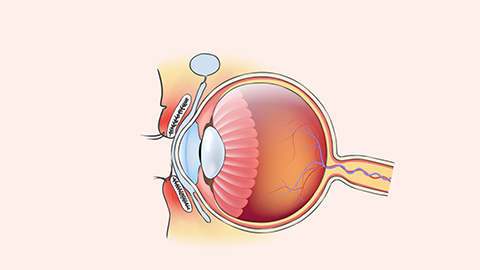
Astigmatism is a refractive error caused by unequal curvature across different meridians of the cornea or lens—or even varying curvature along the same meridian. It is classified into two main types: regular and irregular astigmatism. In regular astigmatism, differing refractive powers occur along distinct meridians (e.g., vertical vs. horizontal). Irregular astigmatism refers to inconsistent refractive power within a single meridian—often resulting from corneal scarring, trauma, or keratoconus.
The most effective treatment for astigmatism is wearing properly prescribed toric (astigmatism-correcting) eyeglasses. Additionally, maintaining good ocular hygiene is essential. Avoid prolonged screen time—especially on computers and smartphones—as this may induce ciliary muscle spasm and potentially exacerbate astigmatism. When experiencing eye fatigue, lubricating or anti-fatigue eye drops may help alleviate discomfort. For severe or progressive astigmatism unresponsive to optical correction, refractive surgery (e.g., LASIK or SMILE) may be considered. Prior to surgery, a comprehensive ophthalmologic evaluation is mandatory to rule out contraindications. Postoperatively, close monitoring of visual recovery—including residual astigmatism—is crucial.

In daily life, regularly performing eye exercises is recommended. After surgical intervention, it is especially important to minimize visual strain and limit exposure to digital screens. We hope this information proves helpful to you.


