


What type of glasses is best for astigmatism?

With the emergence of various electronic devices, the most significant issue affecting today’s youth is declining vision—commonly known as myopia. Most individuals with myopia also have astigmatism. So, what type of glasses are best for correcting astigmatism?
What Type of Glasses Are Best for Astigmatism?
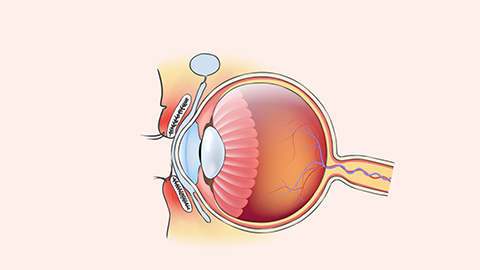
Astigmatism can be corrected with toric (astigmatic) spectacles—i.e., conventional framed eyeglasses. Astigmatism occurs when the eye’s refractive power differs across various meridians, causing incoming light to focus as two separate lines on the retina rather than a single point. The greater the degree of astigmatism, the farther apart these two focal lines lie, resulting in increasingly blurred vision. Wearing toric glasses realigns these focal lines into a single focal point, thereby correcting visual acuity. It should be noted that rigid gas-permeable (RGP) contact lenses are custom-fitted for each patient; thus, their inner surface conforms closely to the cornea. However, achieving optimal fit is complex and requires assessment using tools such as corneal topography to determine the precise prescription.

Astigmatism is primarily treated through the following approaches: First, correction with framed spectacles—requiring accurate refraction testing at a hospital or clinic. This remains the most economical, safe, and convenient option currently available. Third, laser refractive surgery—including excimer laser, semi-femtosecond laser, or full-femtosecond laser procedures—can correct astigmatism. However, these procedures impose relatively stringent requirements on corneal curvature and thickness, meaning not all patients are suitable candidates. Fourth, implantation of toric intraocular lenses (IOLs) offers effective astigmatism correction, often yielding superior outcomes—but at a significantly higher cost.
In daily life, it is recommended to regularly perform eye exercises, avoid excessive eye strain, and promptly discontinue use of electronic devices or work whenever eye discomfort arises. We hope this information proves helpful to you.


