


What Is the Difference Between a Retroverted and an Anteverted Uterus?
Aug 05, 2022
Source: Cainiu Health

Dr. Chen Zhe
Introduction
The primary difference between anteverted and retroverted uterus lies in the position of the uterus. Typically, the angle between the uterine body and the cervix—relative to the body’s longitudinal axis—is used to determine whether the uterus is anteverted or retroverted. In fact, an anteverted or retroverted uterus has minimal impact on pregnancy. However, for clinicians, accurately identifying the uterine position (anteverted vs. retroverted) is crucial. Prior to surgery, confirming the correct uterine position is essential to ensure procedural accuracy and avoid errors.
In daily life, the position of the uterus can influence a woman’s chances of conception. So, what is the difference between a retroverted (tilted backward) and an anteverted (tilted forward) uterus?
What Is the Difference Between a Retroverted and an Anteverted Uterus?
The primary distinction between an anteverted and a retroverted uterus lies in uterine positioning. Clinically, this classification is typically determined by measuring the angle between the uterine body and the cervix relative to the body’s longitudinal axis. In fact, neither uterine position significantly affects fertility or pregnancy outcomes. However, accurately identifying whether the uterus is anteverted or retroverted is crucial for clinicians—particularly during surgical procedures—to ensure procedural accuracy and safety.
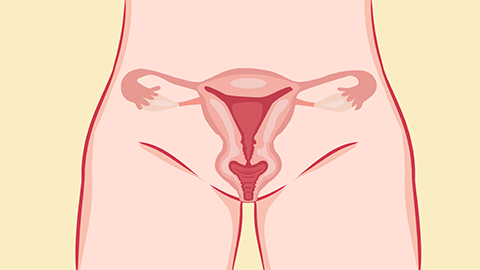
If a patient has a retroverted uterus confirmed by gynecological examination—and if uterine mobility is excellent—conception rates may be improved by monitoring ovulation and timing intercourse accordingly. Common clinical methods for ovulation detection include transvaginal color Doppler ultrasound, basal body temperature charting, and ovulation predictor kits. Among these, transvaginal color Doppler ultrasound combined with ovulation predictor kits offers the highest diagnostic accuracy. Mild retroversion without noticeable symptoms generally requires no treatment. However, severe retroversion accompanied by prominent symptoms—if left uncorrected—may lead to menstrual irregularities, dysmenorrhea, increased vaginal discharge, and discomfort or difficulty during intercourse.
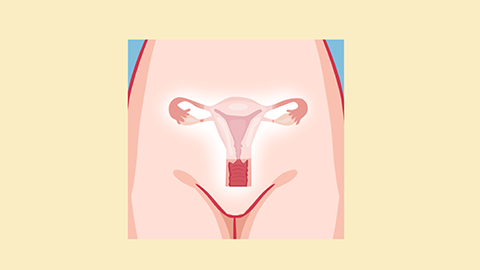
Uterine position is partially influenced by sleeping posture. Prolonged prone (face-down) or knee-chest positioning may help correct mild retroversion. I hope this response has been helpful to you. Wishing you good health and happiness!




