


Advantages and Disadvantages of Anteverted Uterus

In daily life, the position of the uterus often influences fertility. So, what are the advantages and disadvantages of an anteverted uterus?
Advantages and Disadvantages of an Anteverted Uterus
Within the pelvic cavity, uterine position can be classified as anteverted (forward-tilted), mid-positioned (horizontal), or retroverted (backward-tilted), with the anteverted position being the most common. The primary advantage of an anteverted uterus is that semen tends to pool more easily near the cervical os following intercourse, facilitating sperm entry into the uterine cavity and fallopian tubes—thereby increasing the likelihood of conception. Maintaining healthy lifestyle habits is essential: diet should be light and balanced—avoiding both spicy foods and excessively bland meals—and special attention should be paid to genital hygiene.
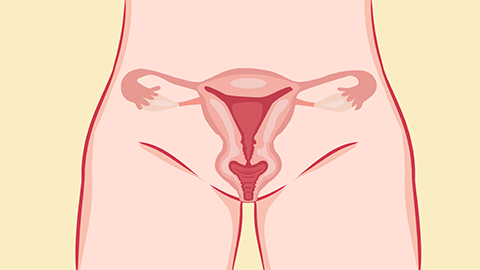
A retroverted uterus refers to a uterus whose longitudinal axis remains unchanged but which tilts backward overall. This may cause the cervix to tilt upward (i.e., uterine retroversion), making it difficult for semen to pool around the cervical os and potentially impairing conception. Retroverted uterus is clinically common; when the angle between the uterine body and cervix is acute, it is termed “retroflexed retroverted uterus,” though this configuration is relatively rare in clinical practice. Retroversion may arise from either congenital or acquired causes; however, the majority of women with retroverted uterus can achieve successful pregnancy with appropriate fertility guidance. Only a small number of patients require surgical intervention.
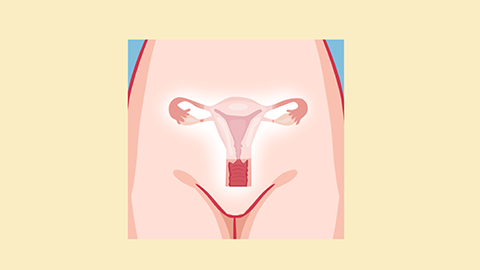
Women planning pregnancy should maintain a balanced diet and avoid staying up late, both of which support optimal reproductive health. I hope this information is helpful to you. Wishing you good health and happiness!


