


Risks of Supraventricular Premature Beats

In daily life, many individuals experience supraventricular premature beats (SVPBs) following intense physical activity. What, then, are the potential risks associated with SVPBs?
Risks Associated with Supraventricular Premature Beats
Supraventricular premature beats—often abbreviated as SVPBs—originate from ectopic pacemaker sites located above the ventricles (i.e., in the atria or atrioventricular junction). They represent one of the most common types of arrhythmias encountered clinically and affect a broad segment of the population. Clinical manifestations of SVPBs vary widely: some individuals remain entirely asymptomatic, while others may experience mild palpitations or other nonspecific symptoms. The associated risks include:
- Mild or absent symptoms: In cases where symptoms are minimal or absent, the clinical significance is generally low, and the condition poses little risk.
- Noticeable symptoms: When symptoms are pronounced—such as marked palpitations, limb tremors, or dizziness—this may indicate a more significant underlying issue requiring evaluation.
- Occasional SVPBs: These are typically benign and often attributable to physiological causes; even healthy individuals may experience them occasionally.
- Frequent or multifocal SVPBs: This pattern carries greater clinical concern. In particular, frequent or multifocal SVPBs may predispose individuals to more serious arrhythmias—including supraventricular tachycardia (SVT) or atrial fibrillation—and, in rare instances, may contribute to hemodynamic instability.

If an individual is otherwise in excellent health—with no underlying cardiovascular disease—and experiences only occasional SVPBs, the condition is usually benign and carries negligible risk. However, for patients with preexisting conditions such as coronary artery disease or myocardial ischemia, frequent SVPBs may significantly increase cardiovascular risk and warrant prompt medical assessment.
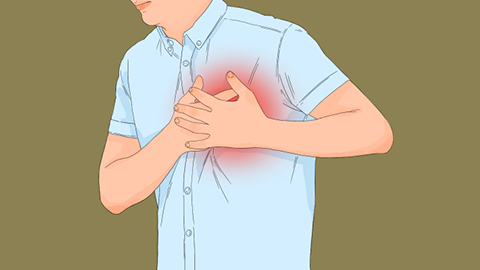
If you experience any of the aforementioned symptoms, seek timely medical evaluation and appropriate management. I hope this information has been helpful. Wishing you optimal health and well-being!


