


What causes nausea and vomiting during menstruation?
Aug 05, 2022
Source: Cainiu Health

Dr. Chen Zhe
Introduction
Nausea and the urge to vomit are commonly caused by gastrointestinal symptoms resulting from low immunity, endocrine disorders, or uterine spasms and contractions during menstruation—or by acute gastrointestinal inflammation in the patient themselves. During this period, patients should keep warm, eat smaller meals, and consume primarily light, easily digestible foods. They may drink more ginger-sugar water and apply a warm compress to the abdomen.
Nausea and vomiting are common symptoms that often signal underlying health issues. However, most people tend to overlook these symptoms unless they significantly interfere with eating or daily activities—only then do they consider seeking treatment. Yet nausea and vomiting can stem from numerous causes. So, what causes nausea and vomiting during menstruation?
What Causes Nausea and Vomiting During Menstruation?
Nausea and the urge to vomit during menstruation are commonly attributed to lowered immunity, hormonal imbalances, uterine spasms and contractions affecting gastrointestinal function, or acute gastrointestinal inflammation in the individual. During this time, patients should stay warm, eat smaller meals, and focus on light, easily digestible foods. Drinking ginger-sugar water and applying a warm compress to the abdomen may also help alleviate symptoms.
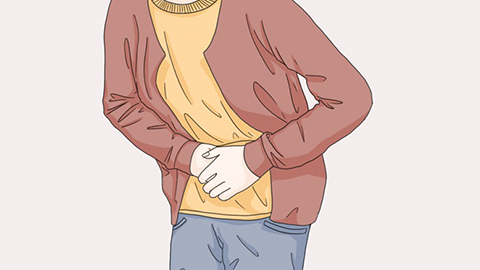
If nausea and vomiting occur specifically during menstruation, it is often due to elevated estrogen levels, which can irritate the gastrointestinal tract. In such cases, no specific treatment is usually required—the symptoms typically resolve spontaneously after menstruation ends. Due to individual variability, premenstrual or menstrual syndrome manifests differently among women and may include constipation, diarrhea, poor sleep, fatigue, drowsiness, emotional instability, breast tenderness, abdominal pain, or back pain. Gastrointestinal symptoms such as nausea and vomiting are also considered normal for some women, so excessive concern is unnecessary. However, if symptoms persist beyond the end of menstruation, underlying conditions such as gastritis or gastric ulcers should be considered, and consultation with a gastroenterologist is recommended.
Patients are advised to avoid raw, cold, or spicy and irritating foods and maintain a balanced, sensible diet. We hope this information is helpful to you.



