


How long does it take for ibuprofen to relieve menstrual cramps?

In daily life, many women experience dysmenorrhea (painful menstruation). When this occurs, some prefer to take ibuprofen for relief. So, how long does it take for ibuprofen to relieve menstrual pain?
How quickly does ibuprofen relieve menstrual pain?
Ibuprofen is an analgesic with both antipyretic and analgesic properties. For women suffering from severe dysmenorrhea, ibuprofen provides significant pain relief. Generally, it begins to take effect within approximately 30 minutes to 1 hour after ingestion and its effects typically last for about 8–10 hours. However, the exact onset and duration of action may vary among individuals.
Ibuprofen is indicated for pain associated with rheumatoid arthritis, osteoarthritis, ankylosing spondylitis, and other rheumatic conditions; it is also used for soft-tissue injuries, migraine, postoperative pain, dysmenorrhea, and acute gout. Medications must be used appropriately—avoid misuse or overuse. Prescription medications require a physician’s prescription; over-the-counter (OTC) drugs should be used strictly in accordance with the instructions provided in the package insert. Ibuprofen is a prescription-only medication and must be prescribed by a healthcare provider based on individual clinical assessment. Self-medication increases the risk of inappropriate drug use.
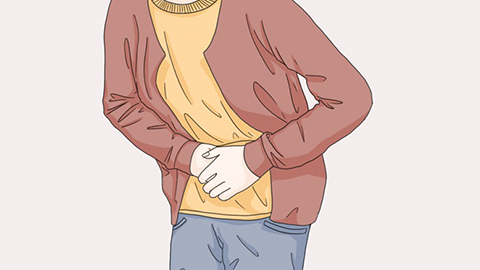
Nursing measures for dysmenorrhea:
1. Maintain balanced nutrition; avoid excessive intake of raw, cold, or irritating foods. Instead, consume warming, nourishing foods that are both edible and medicinal.
2. Manage emotional well-being and engage in moderate physical activity to enhance immunity—this may help prevent episodes of dysmenorrhea.
3. For women experiencing frequent dysmenorrhea, prioritize warmth and protection against cold exposure. Applying heat therapy (e.g., warm compresses) or acupuncture before menstruation may be beneficial.

Dysmenorrhea should always be managed under the guidance of a qualified healthcare professional. I hope this response has been helpful. Wishing you good health and happiness!


