


低血压怎么Treatment
Aug 05, 2022
Source: Cainiu Health

Dr. Yang Shuwen
Introduction
低血压属于是病理现象,如果不及时对血压进行调理,可能会导致晕倒,甚至是休克等比较严重的现象发生。出现了低血压,Patient可以通过日常Nursing、物理Treatment、MedicineTreatment的方式进行处理。如果是Disease引起的低血压,Recommendation及时查明病因,并进行对症Treatment。
Hypotension is a pathological condition characterized by systemic arterial blood pressure below normal levels. If left unmanaged, it may lead to syncope (fainting) or even shock—potentially serious complications. Therefore, individuals should pay special attention to their blood pressure in daily life and intervene promptly when necessary. So, how is hypotension treated?
How Is Hypotension Treated?
In general, patients with hypotension may be managed through lifestyle modifications, physical interventions, and pharmacotherapy. A detailed breakdown follows:
1. Lifestyle Modifications
Individuals with constitutionally weak physical health may experience chronic hypotension or orthostatic hypotension triggered by sudden postural changes. In such cases, drug therapy is typically unnecessary. Instead, maintaining a nutritionally balanced diet—including ample vegetables, fish, and lean meats—is recommended. Regular, moderate physical activity can also help improve overall fitness and alleviate hypotension.
2. Physical Interventions
Under medical guidance, patients may wear compression garments (e.g., fitted clothing or elastic stockings) to prevent peripheral venous pooling, enhance venous return, and thereby elevate blood pressure.
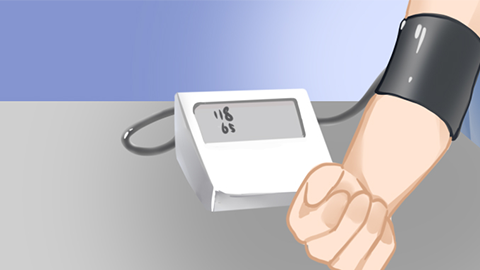
3. Pharmacotherapy
If lifestyle modifications and physical interventions fail to raise blood pressure adequately, patients may consider medications—such as Shengmai Yin (a traditional Chinese herbal formula) or Ginkgo biloba leaf extract—under the supervision of a qualified physician.

If hypotension results from an underlying disease, patients should seek prompt evaluation at a reputable hospital to identify the root cause and receive appropriate, targeted treatment—thereby avoiding delays that could lead to unpredictable complications. We hope this information proves helpful!







