


What Tea Is Best for Yin Deficiency with Excess Fire?

Individuals with yin deficiency and hyperactive fire are more prone to symptoms such as dry throat, sore throat, and severe oral ulcers—symptoms that significantly impair daily life. Consequently, those experiencing this pattern often feel distressed. Intense anger may further trigger additional health issues. Some people claim that their symptoms subside after a period of anger. So, what kind of tea is beneficial for individuals with yin deficiency and hyperactive fire?
What Tea Is Recommended for Yin Deficiency and Hyperactive Fire?
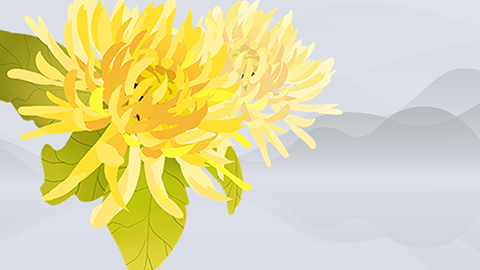
Patients with yin deficiency and hyperactive fire may drink herbal teas made from chrysanthemum, dandelion, honeysuckle, Ophiopogon (mai dong), Scrophularia (xuan shen), and licorice root—ingredients known for clearing heat and nourishing yin. For those presenting both qi and yin deficiency, teas prepared with goji berries, American ginseng, polygonatum (huang jing), and aged tangerine peel (chen pi) can help tonify qi and nourish yin while supporting liver and kidney health. In cases accompanied by liver qi stagnation or emotional constraint, teas containing rose petals, goji berries, and aged tangerine peel may be used to soothe the liver, relieve stagnation, and nourish the liver and kidneys.
“Yin deficiency and hyperactive fire” refers to a TCM pattern characterized by insufficient yin fluids and relative excess of fire (heat). The most common manifestations include dry throat, dry mouth, irritability, sensations of internal heat, and a red tongue—symptoms frequently observed in perimenopausal women. This pattern commonly causes afternoon tidal fever or night sweats; patients often report feeling an intense internal “fire,” frequently accompanied by spontaneous sweating and conditions such as tuberculosis—diseases that themselves tend to deplete yin and exacerbate internal heat.
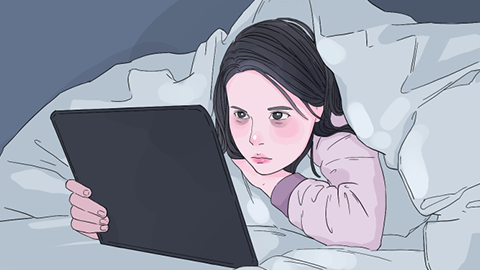
It is advisable to protect oneself in daily life and avoid excessive sweating. First, minimize activities that cause profuse perspiration, which may deplete body fluids; second, actively nourish yin through appropriate diet and lifestyle, and avoid staying up late. We hope this information proves helpful.


