


How long can a person with cirrhosis live?

Once certain diseases progress to advanced stages, many people lose significant hope for recovery. This is especially true when the disease causes severe suffering—such as liver cirrhosis, which profoundly impacts patients’ quality of life and daily functioning. The end-stage of liver cirrhosis represents the terminal phase of the disease; thus, a common question arises: How long can a person live with cirrhosis?
How Long Can a Person Live With Liver Cirrhosis?
Cirrhosis is not a disease in itself but rather a common end-stage manifestation of numerous chronic liver diseases. Its clinical features fall into two major categories: signs of hepatic insufficiency and signs of portal hypertension. Prognosis and life expectancy among patients with end-stage cirrhosis vary considerably. For instance, patients whose underlying cause can be identified and reversed may achieve long-term survival with appropriate pharmacological treatment.
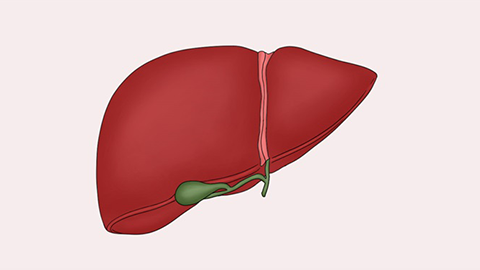
If cirrhosis remains stable and well-controlled, some individuals may reach their normal life expectancy. In the absence of hepatocellular carcinoma or other serious complications, they may remain relatively unaffected for 20–30 years. However, patients with cirrhosis are highly susceptible to specific complications—including upper gastrointestinal bleeding, hepatic encephalopathy, spontaneous bacterial peritonitis, electrolyte imbalances, and hypoalbuminemia. Without timely and effective management, these complications can significantly shorten life expectancy.

In daily life, patients are advised to follow a diet consisting of light, easily digestible foods and to avoid hard or coarse foods. We hope this information proves helpful to you.


