


What Causes Postpartum Hypotension?

Hypertension is not only common in daily life but also frequently occurs among elderly individuals and women. In contrast, hypotension has numerous potential causes. So, what exactly is postpartum hypotension?
What Is Postpartum Hypotension?
Management of postpartum hypotension should first address the underlying cause. For instance, if anemia is present, treatment should focus primarily on correcting the anemia. Oral Shengmai Yin (a traditional Chinese herbal preparation) and intramuscular Compound Ejiao Injection may exert mild blood pressure–elevating effects. Regarding diet, a balanced intake of meat and vegetables is recommended. Foods such as longan fruit, lotus seeds, jujubes (Chinese dates), and mulberries—known for their brain-nourishing properties—may be consumed regularly. To enhance overall physical fitness, appropriate physical exercise should be incorporated into daily routines. Additionally, dietary measures should supply essential hematopoietic nutrients—including protein, copper, iron, legumes, and iron-rich vegetables and fruits—to help correct anemia. Patients with hypotension are advised to adopt a high-sodium and high-cholesterol diet—for example, consuming animal livers, egg yolks, butter, and fish roe—to increase intravascular volume, cardiac output, arterial tone, and ultimately blood pressure. Cold-natured foods—such as spinach, radishes, celery, and cold beverages—should be avoided, as should corn and other foods known to lower blood pressure.
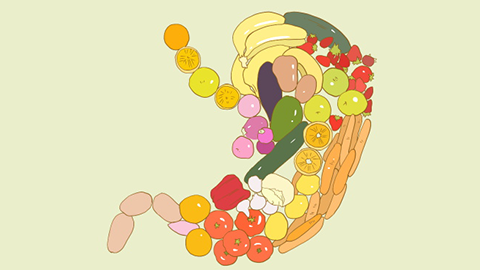
Hypotension during pregnancy is often attributed to malnutrition. Particularly in early pregnancy, nausea and vomiting (morning sickness) impair nutrient absorption. During mid- to late pregnancy, rapid fetal growth demands substantial maternal nutritional reserves; thus, maternal malnutrition can readily lead to hypotension. This risk is especially pronounced postpartum, when fluid loss due to labor or significant hemorrhage during delivery may further reduce blood pressure.

Patients are advised to follow a light, bland diet, avoiding spicy and irritating foods, and to abstain from tobacco and alcohol. Maintaining regular sleep-wake cycles and avoiding late-night activities is also recommended. We hope this information proves helpful.


