


Diagnostic Criteria for Cough Variant Asthma
Aug 05, 2022
Source: Cainiu Health

Dr. Guo Xiheng
Introduction
The diagnostic criteria for cough-variant asthma include recurrent cough, typically triggered by exposure to allergens, cold air, physical or chemical irritants, or exercise. Patients do not exhibit the classic asthma symptoms of wheezing and dyspnea. Positive findings on pulmonary function tests, bronchial provocation tests, or bronchodilator tests indicate the presence of airway hyperresponsiveness.
Cough-variant asthma (CVA) is a distinct subtype of asthma in which cough is the sole or predominant clinical manifestation. Patients typically lack obvious symptoms or signs such as wheezing or dyspnea, yet exhibit airway hyperresponsiveness. In daily life, many individuals experience worsening cough due to prolonged or recurrent cough episodes. So, what are the diagnostic criteria for cough-variant asthma?
Diagnostic Criteria for Cough-Variant Asthma
The diagnostic criteria for cough-variant asthma include recurrent cough. This cough is commonly triggered by exposure to allergens, cold air, physical or chemical irritants, or exercise. Notably, patients do not present with classic asthma symptoms such as wheezing or shortness of breath. Pulmonary function tests showing a positive bronchial challenge test or a positive bronchodilator test indicate the presence of airway hyperresponsiveness.
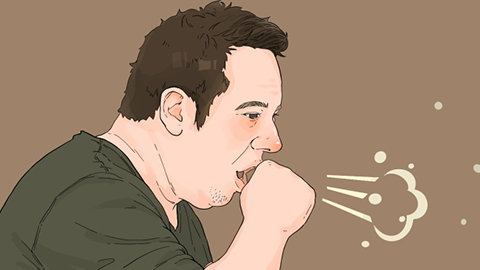
Cough-variant asthma is indeed a form of asthma, and its treatment principles align with those of typical asthma. Reducing exposure to risk factors and avoiding long-term contact with allergens represent the most effective strategies for both prevention and management. Pharmacological treatment includes controller medications (e.g., inhaled corticosteroids) and reliever medications (e.g., oral suxamethonium—note: likely intended as “suxamethonium” is incorrect; possibly meant “salbutamol” or another bronchodilator—please verify clinically). Cough-variant asthma is relatively common in daily practice, especially among individuals with personal or familial allergic histories; allergy testing in these patients often yields positive results.

Patients are advised to take protective measures during active disease phases to prevent symptom exacerbation. In daily life, maintain a light, bland diet and strictly avoid known allergens. We hope this information proves helpful to you.



