


What Causes Persistent Nausea and Dry Heaving?

Everyone is familiar with dry heaving. In daily life, nearly everyone has experienced it at some point—and it can be extremely uncomfortable. Severe or persistent dry heaving may also trigger other symptoms, often quite distressing. So what causes nausea and dry heaving?
What Causes Persistent Nausea and Dry Heaving?
Frequent nausea and dry heaving may stem from psychological factors, chronic pharyngitis, indigestion, or peptic ulcers. Psychological factors—such as sensitivity to strong odors or aversion to certain foods—can heighten neural sensitivity, leading to nausea and dry heaving. Symptoms typically subside once the offending odor or food is avoided. Chronic pharyngitis involves lymphoid follicle hyperplasia and congestion on the posterior pharyngeal wall, which irritates the throat and triggers reflexive nausea, dry heaving, and a sensation of a foreign body—often prompting repeated throat-clearing. Indigestion, caused by excessive food retention in the stomach, elevates gastric pressure and may likewise provoke recurrent nausea and dry heaving.
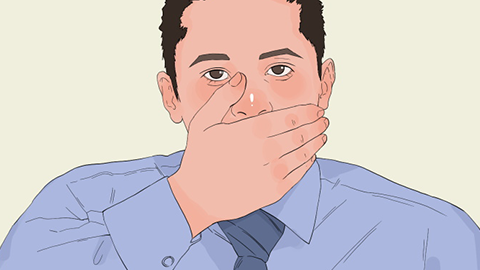
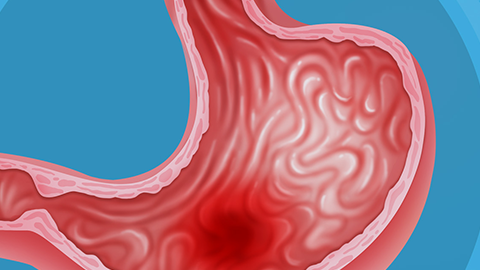
Persistent nausea and dry heaving may also indicate gastritis. Gastritis is the most common disorder of the digestive system. During an active episode, the gastric mucosa becomes inflamed and damaged, impairing digestive function. As a result, ingested food is poorly digested and may undergo abnormal fermentation within the stomach—leading some patients to experience dry heaving and nausea. Long-standing gastritis can predispose individuals to ulcer formation. Once a gastric ulcer develops, the exposed ulcerated area on the gastric mucosa becomes vulnerable to excessive gastric acid reflux, directly irritating the lesion and causing spasmodic gastric wall pain. Such spasms may reflexively induce nausea and vomiting. Patients with gastritis or gastric ulcers should receive mucosal repair agents alongside proton pump inhibitors (PPIs) to suppress gastric acid secretion and minimize further mucosal injury.
We hope the above information helps address your concerns. Patients experiencing nausea and dry heaving should drink plenty of water—this can be highly beneficial. Alcohol consumption should also be strictly avoided. We hope this response proves helpful to you.


