


What Causes Nausea and Retching in Men?

Sudden dry heaving and nausea are highly uncomfortable symptoms believed to affect many individuals. If these symptoms persist over time, they can significantly impact mental well-being. Therefore, this issue should be addressed as soon as possible. Consistently ignoring it may lead to more serious physical health problems. So, what causes nausea and dry heaving in men?
Causes of Nausea and Dry Heaving in Men
Nausea and dry heaving commonly occur in men and may stem from pharyngeal disorders, indigestion, or chronic gastric conditions. In patients with chronic pharyngitis, persistent inflammation of the pharynx leads to localized edema and increased secretions. These secretions irritate local nerves, readily triggering symptoms such as nausea and dry heaving. Prolonged irritation in chronic pharyngitis renders the local mucosa especially hypersensitive—minor stimuli can provoke nausea and gastric discomfort. When liver function is impaired—as seen in conditions like hepatitis B—nausea often appears first, followed by dry heaving or vomiting. Common clinical manifestations include hepatic discomfort, fatigue, loss of appetite, aversion to greasy foods, nausea, vomiting, or diarrhea; low-grade fever may occasionally accompany these symptoms.
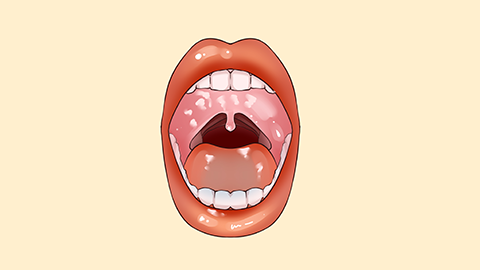
Consuming spicy or irritating foods may cause a foreign-body sensation in the pharynx, leading to nausea and dry heaving. Certain medications—including chemotherapeutic agents—can irritate the gastrointestinal tract and induce nausea and dry heaving. Pharyngitis may produce pharyngeal discomfort or dryness/itching, along with either excessive or insufficient secretions, thereby provoking nausea and dry heaving—especially during toothbrushing. Chronic gastritis may present with abdominal pain, hematemesis (vomiting blood), melena (black tarry stools), and recurrent episodes of nausea, dry heaving, or vomiting. In severe cases, gastric spasm may occur. Gastroesophageal reflux disease (GERD) allows gastric and duodenal contents to flow backward into the esophagus, causing nausea and dry heaving. Additionally, pancreatitis, cholecystitis, and gallstones can also result in nausea and dry heaving.

In daily life, maintaining a regular routine, ensuring adequate sleep, and resting in quiet environments—free from light and noise stimulation—is essential. We hope this information proves helpful to you.


