


Why Do I Gag While Brushing My Teeth?

Many people experience nausea and gagging after brushing their teeth—this is not uncommon, and numerous individuals may have encountered this phenomenon. For instance, some feel nauseous or gag while brushing their teeth in the morning. So why does gagging occur during toothbrushing?
Why Does Gagging Occur During Toothbrushing?
Nausea and gagging experienced during morning toothbrushing may result from using cold water. It is advisable to use lukewarm water rather than cold water for brushing. The optimal temperature for brushing is 35–36°C; water that is either too hot or too cold can irritate the teeth and gums. Especially in cold weather, brushing with cold water fails to soften the bristles of the toothbrush, increasing the risk of gum bleeding and nausea. Moreover, the temperature difference between the water and the oral cavity can stimulate oral nerves, triggering nausea. Similarly, the large temperature disparity between cold water and the mouth readily stimulates oral nerves, leading to nausea.
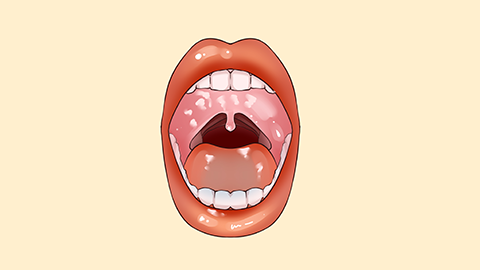
If a patient experiences gagging and nausea while brushing teeth in the morning, it is recommended that they promptly visit a reputable hospital’s Department of Stomatology or Department of Otolaryngology for evaluation by a specialist. The physician will conduct a comprehensive assessment based on the patient’s oral condition, pharyngeal status, and relevant auxiliary examination results. If the symptoms stem from oral inflammation, maintaining good oral hygiene—including rinsing after meals—and taking appropriate anti-inflammatory medications are advised. If chronic pharyngitis, pharyngeal masses, or oropharyngeal foreign bodies are identified as the underlying cause, diagnosis and treatment should be tailored accordingly.

In daily life, maintaining good oral hygiene is essential. Adopt healthy oral care habits—including rinsing after meals—and avoid staying up late. We hope this information proves helpful to you.


