


How to Relieve Nausea in Early Pregnancy

Nausea during early pregnancy is a common and normal physiological phenomenon—nearly all pregnant women experience it. In most cases, it does not significantly interfere with daily life and therefore does not require special medical attention. Pregnant women can alleviate symptoms through dietary adjustments and distraction techniques. So, how can nausea in early pregnancy be relieved?
How to Relieve Nausea in Early Pregnancy
The primary approach to alleviating nausea in early pregnancy involves psychological adjustment, as nausea and vomiting are often linked to psychological factors—and sometimes to dietary habits. Many pregnant women find that increasing outdoor activity, practicing self-guided psychological relaxation, or modifying their diet effectively eases morning sickness. During early pregnancy, if nausea and vomiting are pronounced, food preferences may become highly selective; however, it’s still advisable to maintain dietary diversity whenever possible. If vomiting begins to affect body weight and energy intake, short-term selective eating may be acceptable as a temporary measure.
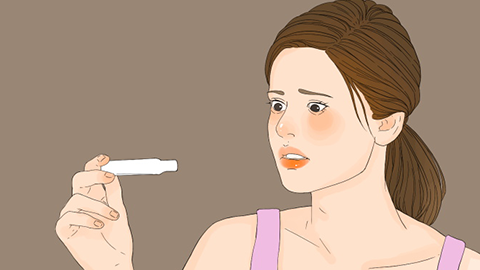
Pregnant women experiencing early-pregnancy nausea may benefit from modifying their usual eating habits and adjusting their diet—opting for easily digestible foods, eating smaller meals more frequently, and avoiding excessively cold, greasy, or spicy and irritating foods. Including mildly sour foods may help stimulate appetite and improve tolerance to nausea and vomiting. However, if symptoms worsen—such as frequent or severe vomiting, significant weight loss, or reduced urine output—this may indicate hyperemesis gravidarum (severe pregnancy-related nausea and vomiting).
For severe cases, prompt medical evaluation at a hospital is essential. Depending on the clinical situation, intravenous fluid replacement may be required to prevent adverse effects on fetal health. We hope this information is helpful to you.


