


What Causes Nausea While Brushing Teeth?

Many individuals experience nausea—often referred to as “dry heaving”—while preparing to brush their teeth or during brushing itself, though they do not actually vomit. Initially, many people dismiss this symptom as insignificant; however, it may signal an underlying medical condition. So, what causes nausea during toothbrushing?
What Causes Nausea During Toothbrushing?
Nausea while brushing teeth may result from improper brushing technique, chronic pharyngitis, or pregnancy-related changes. Using a toothbrush incorrectly—for instance, selecting one with overly stiff bristles that strongly irritate the oral cavity, or repeatedly inserting the brush too deeply into the throat—can trigger nausea and even vomiting. Individuals with chronic pharyngitis may experience heightened sensitivity due to swollen pharyngeal mucosa; even mild stimulation from the toothbrush bristles or toothpaste can provoke nausea. In early pregnancy, women may feel nauseous while brushing teeth due to morning sickness.
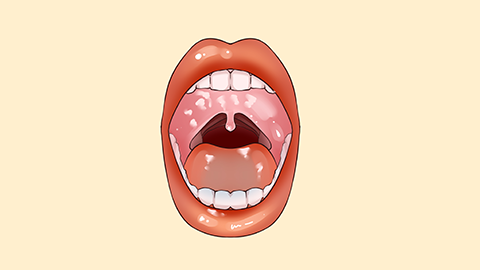
Patients experiencing post-brushing nausea should seek evaluation at a reputable hospital. They may consult either the Department of Respiratory Medicine or the Department of Otolaryngology–Head and Neck Surgery. Diagnostic assessments—including oropharyngeal examination, nasopharyngeal endoscopy, imaging studies of the pharynx, and laryngoscopy—can help identify the underlying cause and assess disease severity, enabling targeted treatment. It is also essential to modify unhealthy dietary habits: avoid spicy, excessively hot, or fishy-smelling foods, which may strongly irritate the throat and worsen symptoms. Instead, opt for light, easily digestible meals, consume ample fruits and vegetables, and include foods known for clearing heat and reducing internal fire.

Patients are advised to maintain a bland diet in daily life, avoid excessive alcohol consumption and smoking, and refrain from carbonated beverages. We hope this information proves helpful to you.


