


Is appendicitis on the left or right side?

Appendicitis is an inflammatory condition caused by infection of the appendix and is a very common surgical disease. Both adults and children can develop this condition, with a relatively higher incidence among young males. After onset, patients typically experience pain in the lower right abdomen, fever, and pronounced nausea and vomiting. So, is appendicitis located on the left or right side?
Is appendicitis on the left or right side?
In healthy individuals, the anatomical location of the appendix is in the lower right abdomen—specifically, the ileocecal region. Since the appendix lies at the distal end of the cecum, precisely at the junction between the large and small intestines, it is situated in the lower right abdomen in approximately 99% of people. However, in rare cases of “situs inversus” (mirror-image individuals), all internal organs are positioned as mirror images of their normal arrangement. Consequently, in such individuals, the appendix may be located in the lower left abdomen. Another uncommon condition—intestinal malrotation—may place the appendix in the upper right or upper left abdomen, differing from its typical location.
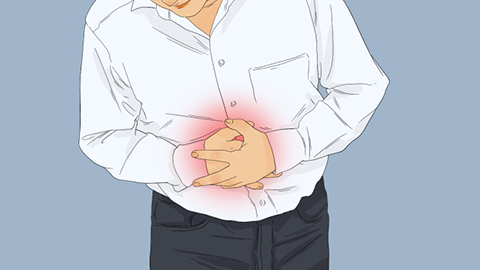
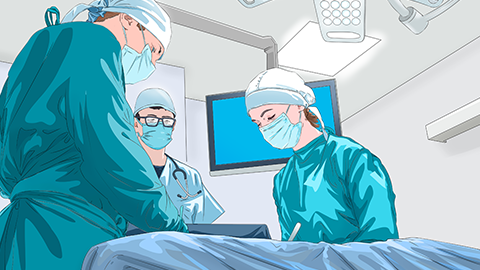
When abdominal pain occurs, classic appendicitis pain is typically migratory: it begins as discomfort or pain in the upper abdomen, then shifts to the periumbilical region, and finally localizes to the lower right abdomen. If you feel unwell, it is advisable to visit a hospital for evaluation—including routine blood tests and C-reactive protein (CRP) measurements to assess for infection—followed by abdominal ultrasound, which usually allows for definitive diagnosis of appendicitis. Once diagnosed, surgical intervention is recommended, as it offers the most complete treatment. Conservative management carries risks of recurrence and progression to chronic appendicitis; acute exacerbations may also occur during periods of lowered immunity. Therefore, following a confirmed diagnosis of appendicitis, prompt surgical removal remains the preferred and most thorough therapeutic approach.
Patients with appendicitis should abstain from alcohol and avoid consuming raw, cold, or spicy foods. They should also limit intake of fried and hard-to-digest foods, refrain from overeating, adopt a pattern of smaller, more frequent meals, and chew food thoroughly and slowly. We hope this information proves helpful to you.


