


Where is appendicitis located in females?

The appendix occupies an awkward position within the human body—awkward because it is a part of everyone’s anatomy yet serves no known physiological function. Shaped similarly to an earthworm, the appendix varies in length among individuals: some are as short as 2 cm, while others may exceed 20 cm in length. So, on which side does appendicitis occur in females?
Where Does Appendicitis Occur in Females?
In females without anatomical variations, the appendix is typically located in the right lower quadrant of the abdomen, within the right iliac fossa—approximately at the junction of the outer one-third and middle one-third of an imaginary line drawn from the umbilicus to the right anterior superior iliac spine. When appendicitis occurs in female patients, classic migratory pain develops in the right lower abdomen, progressively worsening over time. Additional symptoms include fever, nausea, vomiting, and diarrhea. Patients often experience a distinct sense of urgency due to localized peritonitis and pelvic inflammatory changes secondary to appendiceal infection and exudation. Physical examination reveals a fixed tender point in the right lower abdomen, a positive Rovsing’s sign (pain in the right lower quadrant upon left-sided colon insufflation), and a positive psoas sign (pain on extension of the right hip or passive flexion of the right thigh against resistance). Appendicitis—particularly in females—must be differentiated from right adnexitis and ovarian cyst torsion.
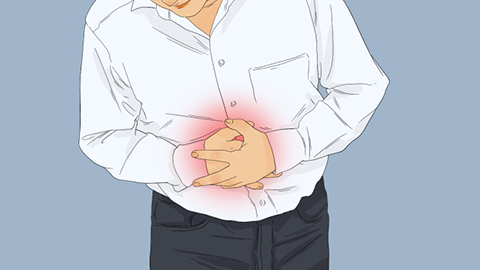
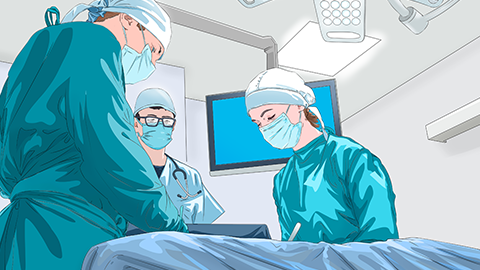
Females can indeed develop appendicitis, and treatment principles remain the same. Surgery remains the most effective intervention. However, for patients who wish to avoid surgery—or who are concerned about surgical incisions—and who present with only mild appendicitis symptoms, conservative management may be considered. During conservative treatment, a liquid or soft diet is recommended to prevent disease progression, and regular follow-up examinations are essential. Some patients experience marked symptom improvement; however, in cases of suppurative or gangrenous appendicitis, systemic infection and local abdominal irritation become significantly more severe. Therefore, early surgical intervention is strongly advised—either via open appendectomy or laparoscopic appendectomy.
Female patients with appendicitis should pay special attention to dietary habits in daily life: cultivating healthy eating patterns, avoiding overeating or binge eating, and maintaining regular meal schedules. We hope this information proves helpful.


