


What should I do for dry heaving?

Dry heaving refers to the act and sound of vomiting without the expulsion of gastric contents. The most common causes include indigestion, pharyngitis, and chronic gastritis. So, what should one do about dry heaving?
What to Do About Dry Heaving
To alleviate nausea and dry heaving, consider drinking a glass of milk or a small glass of red wine before bedtime, while also improving sleep quality and overall physical function. Avoid placing excessive stress on yourself in daily life and learn effective stress-relief techniques. Maintaining a positive mental state each day helps prevent episodes of vomiting and dry heaving. When pharyngitis occurs in daily life, over-the-counter lozenges for pharyngitis may help reduce associated nausea and dry heaving. Drinking refreshing herbal teas during the day can also help improve these symptoms. Additionally, avoid wearing tight-fitting clothing; instead, opt for loose, comfortable attire—tight clothing can sometimes trigger nausea and dry heaving.

Dry heaving is a common clinical symptom that may arise from pharyngeal discomfort, systemic illness, urinary tract infection, pregnancy, or neurological disorders affecting the brain. In most cases, it stems from common gastrointestinal disorders, often accompanied by abdominal discomfort, decreased appetite, nausea and vomiting, and abnormal bowel movements. Treatment typically focuses on regulating spleen-stomach function, enhancing gastrointestinal motility, and promoting digestion. If pharyngeal discomfort is present, consultation with an oral medicine specialist is recommended. If fever accompanies the symptoms, bacterial infection should be considered, and appropriate anti-infective therapy initiated. Since numerous factors can cause dry heaving, there’s no need to panic when it occurs—remaining calm and applying appropriate measures usually provides relief. However, prompt medical attention is essential if symptoms are severe.
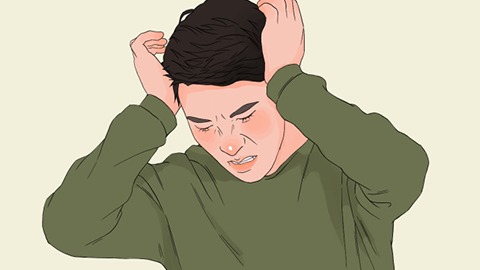
Identifying the underlying cause of dry heaving and implementing targeted treatment accordingly can effectively relieve symptoms. We hope this information proves helpful to you.


