


Can Oryzanol treat hair loss?

Oryzanol is a relatively common medication, frequently recommended by pharmacists for patients experiencing hair loss. But can oryzanol effectively treat hair loss?
Can Oryzanol Treat Hair Loss?
Oryzanol may help treat certain types of hair loss, but it is not suitable for all patients. It is primarily indicated for anxiety-related alopecia and seborrheic dermatitis–associated alopecia. Importantly, oryzanol is not a primary treatment agent; rather, under a physician’s guidance, it may be used in combination with other therapies—such as topical minoxidil, capsicum tincture, or oral traditional Chinese herbal medicine. For hair loss caused by other underlying conditions, oryzanol demonstrates very limited efficacy. Normal (physiological) hair shedding is unlikely to be the issue; instead, significant hair loss may signal more serious conditions, such as renal failure or other systemic disorders. Patients are advised to seek diagnosis and treatment based on the specific cause of their hair loss.

Hair loss has numerous potential causes. For example, some men may develop alopecia areata—a condition often linked to psychological stress. Irregular lifestyle habits and nutritional deficiencies may also contribute to alopecia areata. In men, hair loss may further relate to individual constitutional factors and genetic predisposition. Chronic stress, sleep deprivation, and excessive consumption of high-fat foods increase susceptibility to hair loss. Certain individuals may experience hair loss as a side effect of chemotherapy drugs, while postpartum women may develop hair loss due to deficiency of qi and blood.
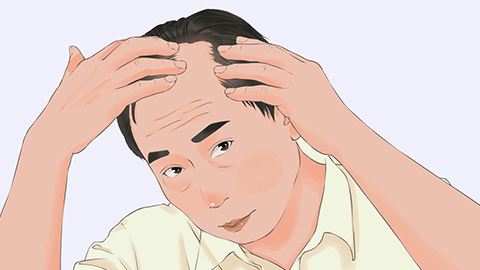
It is quite common for hair to regrow naturally within three years after shedding. To support hair health, avoid—or at least significantly limit—intake of oily, overly sweet, or spicy and irritating foods. Oral supplementation with vitamin B6, cystine, and oryzanol may help gradually regulate scalp oil production. If excessive sebum secretion persists, consider additional interventions, especially for women planning pregnancy within the next two years; in such cases, vitamin supplements may be prescribed to help control oiliness. We hope this information proves helpful to you!


