


Is “pregnancy” synonymous with “gestation”?

In daily life, people commonly say “pregnancy” (huái yùn), but rarely use the term “gestation” (rèn shēn). So, does “gestation” mean the same as “pregnancy”?
Does “Gestation” Mean “Pregnancy”?
Yes—“gestation” is the formal or medical term for “pregnancy.” Gestation is divided into three stages: early pregnancy, mid-pregnancy, and late pregnancy. Early pregnancy refers to the first 12 weeks (i.e., the first trimester) of gestation. During this period, the embryo has just implanted, making spontaneous abortion relatively more common; additionally, the embryo is especially vulnerable to teratogenic effects and other factors that may impair its growth and development. Mid-pregnancy spans from week 12 to week 28; if no symptoms such as abdominal pain or vaginal bleeding occur, pregnant women may moderately increase physical activity. Late pregnancy begins after week 28; at this stage, expectant mothers should carefully monitor and count fetal movements.
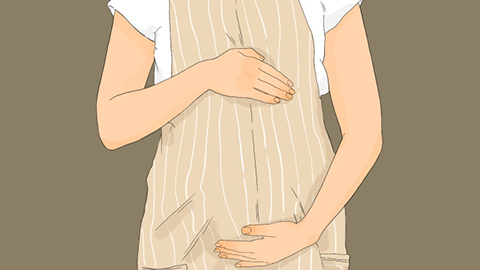
During early pregnancy, dietary intake should be well-balanced: eat small, frequent meals; avoid picky eating; abstain from smoking and alcohol; limit tea and coffee consumption; and maintain emotional stability. In mid- to late pregnancy, nutrition should focus on a balanced diet with appropriate intake of diverse food groups, with an emphasis on iron- and calcium-rich foods. Salt intake should be reduced, sweets minimized, weight changes closely monitored, and caloric intake adjusted accordingly. Regular, appropriate physical activity is also recommended to promote digestion and nutrient absorption.

Medication use during pregnancy should be avoided whenever possible, as it may increase risks of fetal developmental abnormalities or intrauterine fetal demise. Regular comprehensive prenatal examinations are essential to detect and prevent fetal growth abnormalities and other complications. We hope this information proves helpful!


