


Can I drink green tea during my menstrual period?

Many green tea enthusiasts drink it daily, yet women inevitably experience menstruation—and often hesitate to consume green tea during this time. So, is it safe to drink green tea during menstruation?
Can women drink green tea during menstruation?
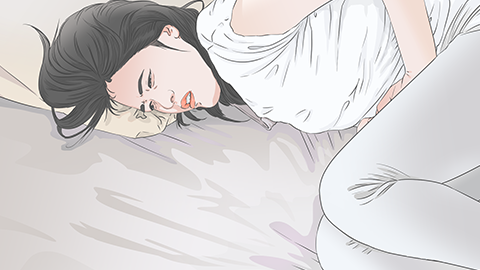
Women are generally advised to avoid drinking green tea during menstruation. In fact, it is best to avoid all types of tea during this period. Tea contains substantial amounts of caffeine and polyphenols, which may negatively affect mood, potentially leading to symptoms such as vivid dreams, insomnia, and irritability. Drinking tea during menstruation may disrupt the menstrual cycle, cause blood stasis, and adversely impact overall health. It may also exacerbate dysmenorrhea (painful menstruation), resulting in significant discomfort.

During menstruation, women should increase their intake of plain boiled water and minimize exposure to irritants. It is important to enhance dietary nutrition by consuming foods rich in protein, vitamins, iron, and easily digestible nutrients—such as fish, eggs, lean meats, and fresh vegetables. Women with a cold constitution may benefit from warming, blood-activating, and cold-dispelling foods, including dog meat, lamb, chestnuts, lychees, brown sugar, and ginger. For women experiencing heavy menstrual bleeding, supplementing with protein, iron, and minerals during days 1–5 after menstruation ends is advisable.
If you wish to drink tea, consider moderate consumption of rose tea, which helps nourish yin, enhance skin health, regulate qi and blood, and effectively alleviate dysmenorrhea and menstrual irregularities. Ensure adequate rest, avoid staying up late or overexertion, maintain a relaxed mindset, and refrain from emotional outbursts or irritability. We hope this information proves helpful!


