


Can I drink alcohol during my period?

Women in northern China commonly have the habit of drinking alcohol. Concerned about potential adverse effects on gynecological health, many wonder whether it is safe to drink alcohol during menstruation.
Can women drink alcohol during menstruation?
No, women should avoid alcohol during menstruation. Prior to the onset of menstruation, the activity of alcohol-metabolizing enzymes declines significantly, reducing the body’s capacity to metabolize alcohol. As metabolic processes slow down, intoxication lasts longer and becomes more severe. Hormonal fluctuations during menstruation further suppress the production of alcohol-degrading enzymes, slowing alcohol breakdown. Consequently, ethanol accumulates and converts into acidic metabolites. To neutralize these substances, the liver must produce additional enzymes—potentially leading to hepatic dysfunction.

Alcohol promotes blood circulation; during menstruation, enhanced circulation may increase menstrual flow. Drinking chilled beer may trigger dysmenorrhea (painful menstruation), while sexual activity during this period may prolong bleeding duration. Moreover, alcohol is considered “cold” in nature according to traditional Chinese medicine principles and may cause menorrhagia (excessive menstrual bleeding) and prolonged menstrual cycles. Alcohol consumption can also irritate the endometrium, provoking symptoms such as dysmenorrhea and gastric discomfort.
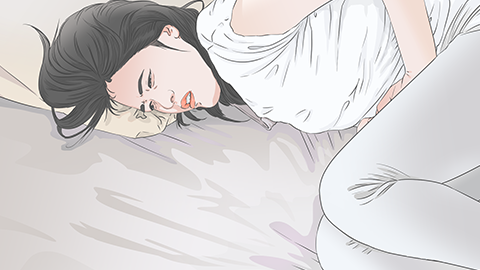
Menstruation is a special physiological period for women, requiring particular attention to health and hygiene. First, avoid raw, cold, or otherwise irritating foods. Maintain strict personal hygiene by frequently changing sanitary pads or tampons and selecting high-quality, certified sanitary products. During menstruation, consume nourishing, blood- and qi-tonifying foods such as red dates, milk, and eggs. Avoid strenuous physical activity. We hope this information proves helpful!


