How Do Hemorrhoids Develop?
Aug 08, 2022
Source: Cainiu Health

Dr. Cheng Yicheng
Introduction
Hemorrhoids may result from poor bowel habits—such as squatting to read or browse newspapers while defecating—which prolongs the duration of squatting and can lead to blood stasis in the anorectal region, thereby triggering disease. Smoking during bowel movements may dampen the brain’s defecation reflex; additionally, some individuals strain excessively during defecation. Regardless of whether the urge to defecate is strong, they blindly exert excessive effort.
Hemorrhoids are a common condition encountered in daily life—familiar to most people. Not only do they cause significant discomfort, but they can also severely impact patients’ physical and mental health. Therefore, understanding the underlying causes of hemorrhoids and implementing timely preventive measures is essential. So, how do hemorrhoids develop?
How Do Hemorrhoids Develop?
Hemorrhoids may result from poor bowel habits. For instance, reading or browsing newspapers while sitting on the toilet prolongs squatting time, which can impede venous return from the anorectal region and lead to local blood stasis—triggering the onset of disease. Smoking during defecation may dampen the brain’s defecation reflex, while excessive straining—even without a strong urge to defecate—unnecessarily increases pressure on the rectum, anus, and pelvic floor muscles, promoting local blood stasis and contributing to disease development and progression.
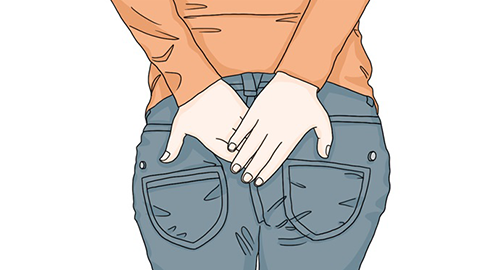
Abnormal bowel movements—including both diarrhea and constipation—are major contributors to anorectal disorders. Among these, constipation is the most significant risk factor. Prolonged retention of toxic substances in the rectum not only increases the risk of colorectal cancer but also leads to fecal accumulation, impairing local blood circulation. Forced removal of hardened stool places excessive pressure on the anal canal, resulting in pathological changes such as venous stasis, swelling, and fissures. Diarrhea, often a clinical manifestation of colonic disease, also heightens the risk of local perianal infection—potentially leading to conditions including anal sinusitis, inflammatory external hemorrhoids, and perianal abscesses.
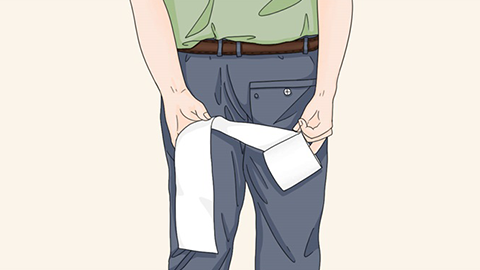
Patients are advised to seek routine medical treatment and undergo comprehensive evaluation at a hospital, and to actively cooperate with their physicians throughout treatment. In daily life, patients should maintain good personal hygiene, ensure adequate rest and relaxation, and avoid excessive stress. Spicy or irritating foods should be minimized; instead, patients are encouraged to consume more fresh fruits and vegetables and drink plenty of water. We hope this information proves helpful to you.