


What are the common causes of chronic halitosis?

The mouth harbors substantial amounts of dental calculus (tartar) and soft plaque. Food debris can trigger gingivitis and periodontitis; furthermore, periodontal exudates and fermentation of food residues may cause halitosis (bad breath). At this stage, professional periodontal cleaning is required, along with consistent oral hygiene maintenance. So, what are the common causes of chronic halitosis?
What Are the Common Causes of Chronic Halitosis?
Chronic halitosis is often associated with sinusitis, dental calculus, dental caries, and gastrointestinal disorders. Patients should actively treat the underlying conditions and maintain regular oral hygiene—including brushing and rinsing—to gradually eliminate halitosis. Chronic halitosis frequently occurs in individuals with sinusitis, as postnasal drip and sinus secretions irritate the oral cavity and contribute to bad breath. Treatment options include oral antibiotics or surgical intervention; in most cases, halitosis resolves following surgery. Dental calculus and caries—as well as tonsilloliths (tonsil stones)—can also cause persistent halitosis. For calculus, routine professional dental cleanings are recommended; for caries, restorative dental treatment helps alleviate the odor.
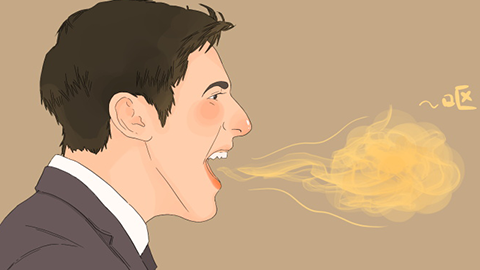
If tonsilloliths are present, tonsillectomy may be necessary to relieve halitosis. Liver dysfunction can impair gastrointestinal repair capacity; insufficient gastric acid secretion transforms the stomach into a breeding ground for bacteria, resulting in a sulfurous (egg-like), sour, or putrid odor—often due to prolonged gastric retention of food. This may indicate stenosis or obstruction of the pylorus.

In daily life, adopt a regulated diet: avoid spicy, irritating, or overly rich foods; refrain from binge eating; and ensure adequate sleep. We hope this information proves helpful.


