


What Should Be Done for Low Blood Pressure in the Elderly?

Although hypotension is not a disease in itself, it may be caused by other underlying conditions and can lead to symptoms such as dizziness, mental fatigue, difficulty concentrating, syncope (fainting), shock, and other complications. Once diagnosed with hypotension, patients should understand their condition thoroughly and take appropriate preventive or therapeutic measures to avoid adverse impacts on daily life and overall health. So, what should be done for elderly individuals with hypotension?
Management of Hypotension in the Elderly
Hypotension in older adults can be treated with medications. If an elderly person’s low blood pressure does not cause symptoms—such as dizziness, fatigue, or lightheadedness—no specific treatment may be necessary; maintaining a calm mindset and ensuring balanced nutrition is often sufficient. However, if symptoms like dizziness, fatigue, or palpitations occur due to hypotension, further diagnostic evaluation is required to identify the underlying cause. If no specific disease is found, autonomic nervous system dysfunction may be responsible. In such cases, lifestyle modifications—such as improving dietary nutrition and engaging in appropriate physical exercise—can help stabilize blood pressure.
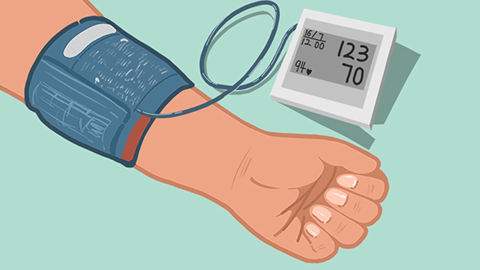
Some elderly individuals may naturally have a slender build and chronically low blood pressure—a condition known as constitutional (or essential) hypotension—which typically requires no special treatment. The most common clinical causes of hypotension in older adults are cardiac disorders, including conditions such as valvular heart disease and severe mitral stenosis, which can reduce cardiac output and ejection fraction, thereby leading to hypotension.

Elderly individuals with hypotension should pay attention to environmental and clothing factors: they should avoid staying in hot, stuffy environments, as heat-induced vasodilation can exacerbate blood pressure drops. We hope this information proves helpful.


